In today's hyper-connected world, sharing the excitement of travel has become an almost reflexive action. From the anticipation at the gate to the view from the window seat, every moment is a potential post. However, a recent incident involving a United Airlines passenger serves as a stark and timely reminder of the hidden perils lurking behind a seemingly innocuous social media upload. What began as a proud boast about flying first class, attributed to the policies of former President Donald J. Trump, quickly spiraled into a travel nightmare when the man posted a photo containing sensitive details of his boarding pass. The digital celebration turned into a cautionary tale for all modern voyagers.
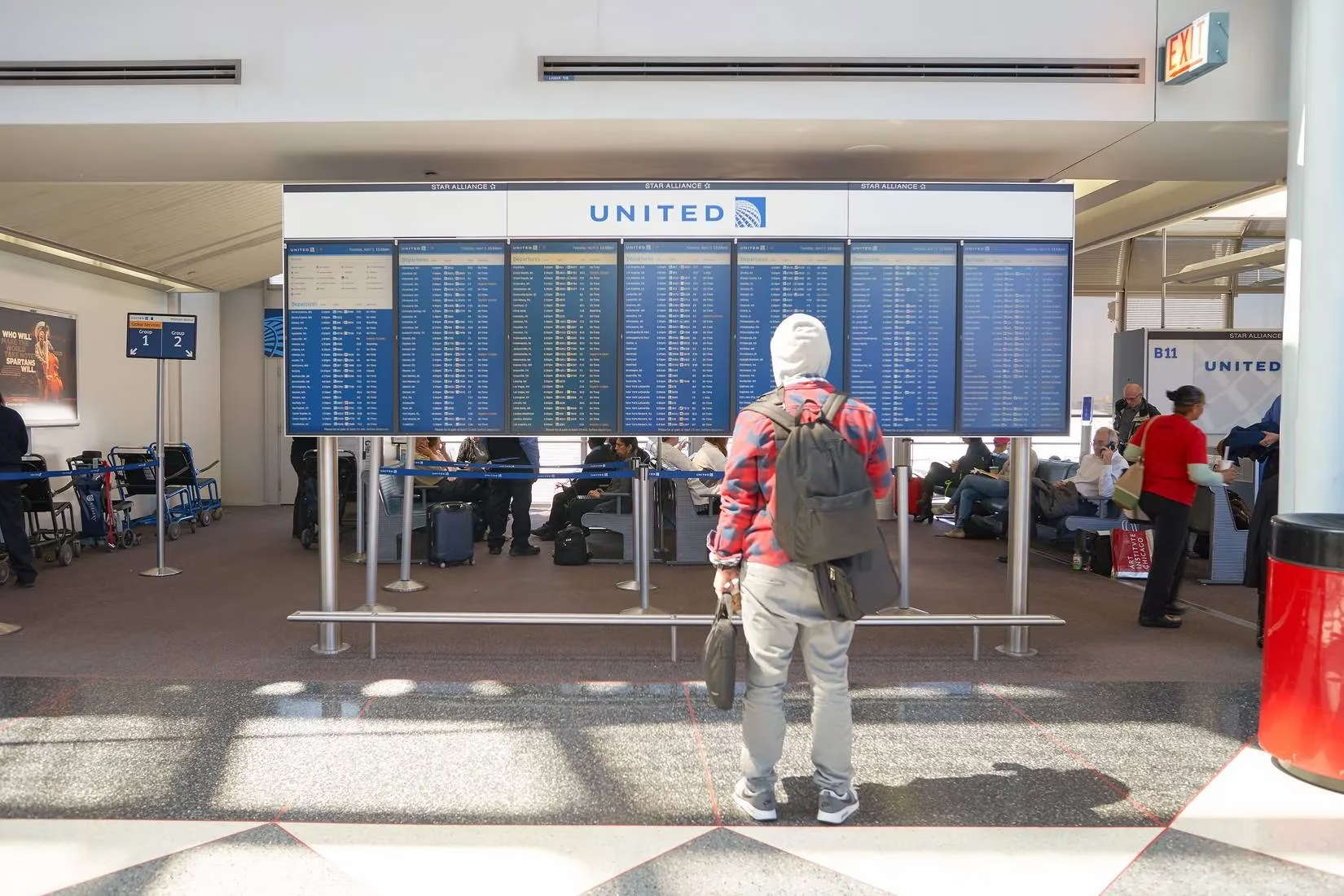
The story, as reported by View From the Wing, unfolded when the passenger shared an image of his boarding pass online. The photo, intended to showcase his premium cabin upgrade, inadvertently displayed key identifiers such as his name and his six-digit record locator. This alphanumeric code is the key to the kingdom for airline reservations. The digital document also revealed his destination: Greenville–Spartanburg International Airport (GSP) in South Carolina. Shortly after the post gained traction on social platforms, a disconcerting discovery was made: the passenger's flight details had vanished from the airline's system. While United Airlines is statistically among carriers with higher cancellation rates, evidence suggests this particular cancellation was not an airline error. Circulating social media videos allege that an anonymous individual used the publicly visible information from the post to access the booking and deliberately cancel the trip. The ultimate fate of the traveler's journey remains shrouded in uncertainty—whether he managed to rebook or reach his destination is unclear—but the digital fallout has sparked a vigorous and ongoing online debate.
The court of public opinion on platforms like Instagram was largely unsympathetic. The consensus among commenters was that the passenger exhibited a severe lapse in judgment by publicly broadcasting such confidential information. Many questioned the logic behind "flexing" or boasting about a flight to a relatively smaller regional airport like GSP. The incident also prompted others to share their own sobering anecdotes about oversharing. One user recounted, "One time, I posted my flight, and someone requested special assistance for me as if I were deaf and blind. I never posted anything like that again lolllll." This collective reaction underscores a growing awareness of digital vulnerability, even as sharing habits continue.
As we navigate the peak holiday travel seasons of 2025, this episode forces a critical introspection: How can wanderlust and digital sharing coexist safely? Experts from organizations like the National Cybersecurity Alliance offer clear guidance to mitigate risks. Their primary recommendation is a simple shift in timing: resist the urge to post in real-time.
🔒 Essential Social Media Safety Tips for Travelers
To avoid similar misfortunes, consider implementing these protective measures:
| Do's | Don'ts |
|---|---|
| ✅ Post photos and stories after you have returned home. | ❌ Never post photos of boarding passes, tickets, or passports. |
| ✅ Use privacy settings to limit your audience. | ❌ Avoid checking in or tagging your exact location in real-time. |
| ✅ Share generic landscapes or details that don't reveal your itinerary. | ❌ Disclose your travel dates or absence from home publicly. |
| ✅ Enable two-factor authentication on all travel-related accounts. | ❌ Assume blurring or covering details in a photo is sufficient protection. |
A boarding pass is far more than a piece of paper or a digital QR code; it is a direct portal to your personal travel data. As seen in this incident, even partially visible details can be pieced together by malicious actors to gain access to a reservation. Once inside, they can cancel flights, alter seat assignments, or access personal information linked to the frequent flyer account. The illusion of security from a quick crop or an emoji overlay is dangerously fragile.
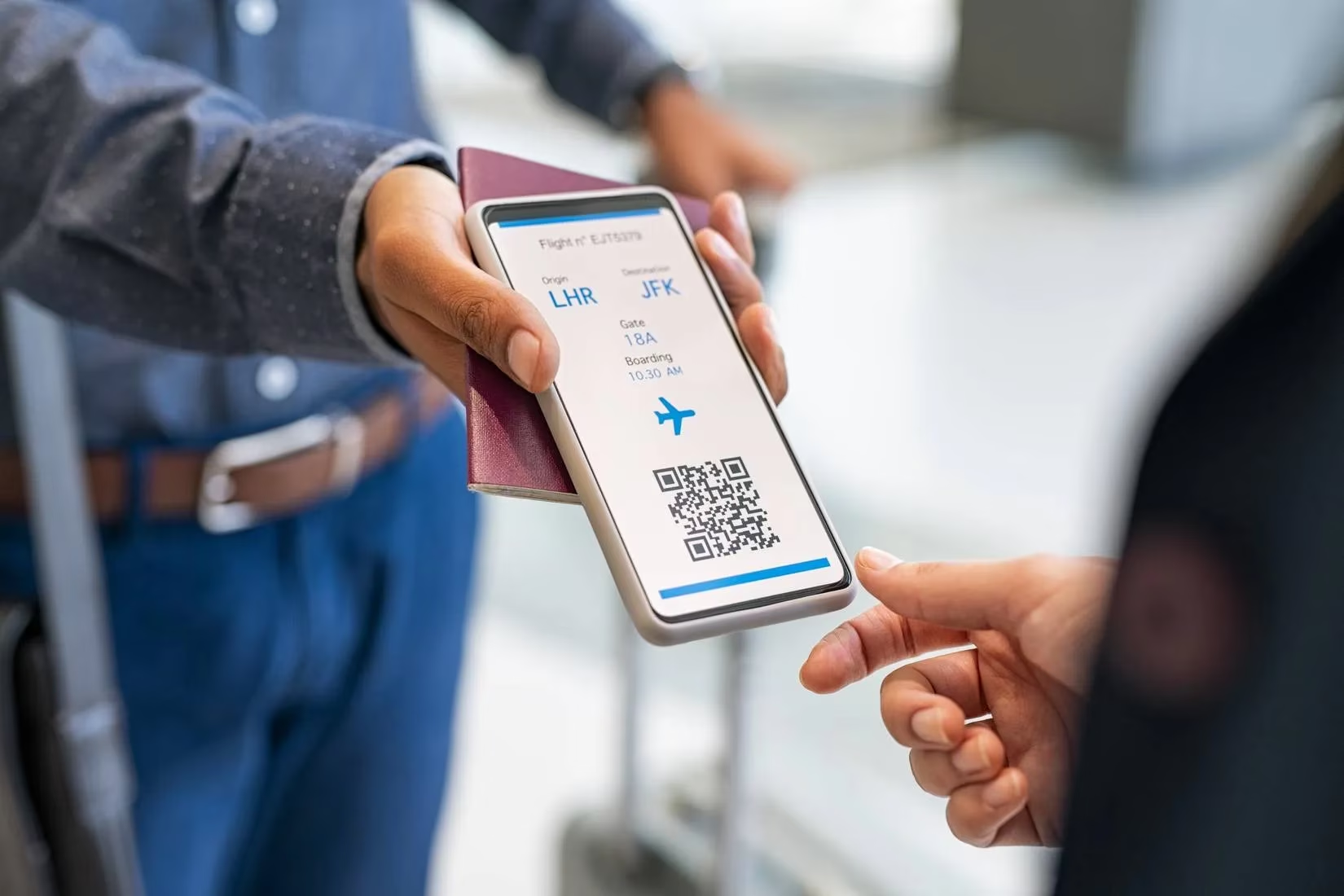
Furthermore, the digital footprint we create is often permanent. A deleted post is not a vanished post; it can live on through screenshots and be redistributed devoid of its original context, with sensitive data still exposed. The United passenger learned this the hard way. In an era where documenting our lives is second nature, exercising discretion is a powerful form of self-defense. Taking a moment to pause and consider the what, when, and to whom we are sharing can be the difference between a smooth journey and a logistical headache involving canceled flights, compromised security, and unnecessary stress.
The narrative of this traveler is more than an isolated case of online schadenfreude; it is a modern parable for the digital age. It highlights the intersection of pride, privacy, and technology. As we continue to traverse the globe and share our adventures, let this story be a reminder that the most valuable souvenir from any trip is our safety and security. Protecting them requires a mindful approach to our digital habits, ensuring that our memories remain joyful and our journeys remain our own.
Loading comments...