Travel hacking has become a mainstream travel skill rather than a secret handshake. In 2026, the idea still sounds almost too good to be true: earn points, use the right cards, join loyalty programs, and turn ordinary spending into cheaper flights, hotel stays, and upgrades. The appeal is easy to understand. Students, budget backpackers, and even travelers who enjoy a little luxury can use travel hacking to see more of the world without paying full price for every booking. It is legal, it is practical, and it rewards travelers who are organized rather than wealthy.

Start With Hotel Rewards That Match Real Trips
Hotel loyalty programs are one of the simplest entry points. Marriott Bonvoy, Hilton Honors, and IHG One Rewards are familiar examples, and their global footprints make them useful for many kinds of trips. Travelers can earn points toward free or discounted stays, receive extra-night promotions, and sometimes transfer points toward airline bookings. A simple rule helps beginners: check the hotel program before checking the room rate. A $200 night becomes a much better deal when the fifth night is free or when points cover part of the bill.

Use Travel Credit Cards Carefully, Not Casually
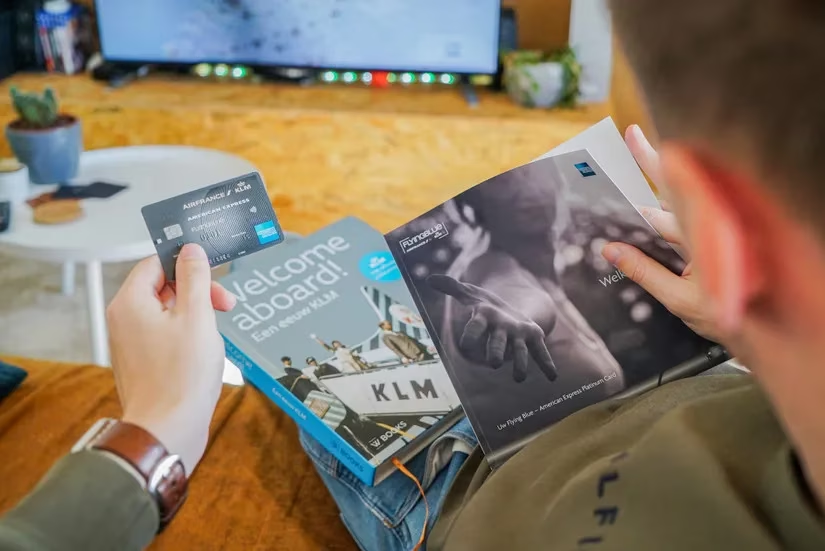
Travel credit cards are a core part of the hobby, but they are also where beginners get hurt. The best cards offer valuable welcome bonuses, flexible redemption options, and strong points per dollar on travel spending. Some cards restrict redemptions to a bank portal or cash back, while others allow transfers to airline and hotel partners. That flexibility matters. So does discipline. A welcome bonus is only useful when the traveler can meet the minimum spend without carrying debt. The math collapses when interest charges arrive, so the balance should be paid in full.
Pick a Frequent Flyer Home Base
Frequent flyer programs reward consistency. A traveler does not need to fly constantly; they simply need to book with the same airline whenever it makes sense. Before choosing a home airline, they should study which carrier has the best routes and prices from their local airport. Airline alliances add another layer. SkyTeam, Star Alliance, and Oneworld let travelers earn and use benefits across member airlines, so loyalty does not have to mean refusing every other carrier forever.

Make Search Tools Do the First Draft
Search tools are not always the final booking channel, but they are excellent for discovery. Skyscanner's Everywhere search shows which destinations are cheapest from a chosen airport. Kayak helps compare routes and dates. Hotwire is useful for last-minute hotel and flight deals, while Roomer is a marketplace for discounted hotel reservations that other travelers can no longer use. Bundling matters too: Booking.com's flight and hotel bundle tool can sometimes bring a package close to the price of a flight alone on another platform.
| Tool | Best for | Beginner tip |
|---|---|---|
| Skyscanner | Destination inspiration | Use Everywhere to compare affordable countries and dates |
| Kayak | Route and date comparison | Set alerts before committing to a booking |
| Hotwire | Last-minute deals | Stay flexible on exact hotel details |
| Roomer | Discounted hotel reservations | Confirm cancellation and transfer rules |
| Booking.com bundle | Flight plus hotel packages | Compare the bundle against separate bookings |

Build a Simple 2026 Travel-Hacking Routine
Travel hacking works best when it becomes a routine rather than a scramble. In 2026, award availability and hotel pricing are more dynamic than ever, so flexibility is part of the strategy. A practical routine looks like this:
-
🏨 Join one hotel program and check its current promotions before booking.
-
✈️ Choose one home airline, then learn its alliance partners.
-
💳 Use one travel card responsibly and track the welcome-bonus deadline.
-
🔁 Compare transfer partners before redeeming points.
-
📅 Search flexible dates and nearby airports.
-
💰 Keep a separate travel fund so points support the trip instead of replacing savings.
For committed travelers, the cycle is powerful: travel spending earns points, points reduce future travel costs, and lower costs make the next trip easier to justify. Travel hacking is not magic, and it does not erase every expense. It is simply a legal, strategic way to make money go further. Beginners who start with hotel rewards, sensible credit card use, airline loyalty, and smart search tools can build a travel-hacking habit that lasts well beyond 2026.
Loading comments...