Ah, the great American wilderness! A place of breathtaking vistas, soul-cleansing solitude, and... the occasional 800-pound fur-covered roommate with a temper. For the intrepid hiker venturing into bear country in 2026, the question of self-defense is as perennial as the mountains themselves. While the sight of a grizzly catching salmon or a black bear ambling through a meadow can be the highlight of any adventure, these majestic creatures are, at their core, wild and unpredictable. A serene scene can pivot to a perilous predicament faster than you can say "pic-a-nic basket." The go-to talisman for many outdoor enthusiasts has long been a can of bear spray, touted as a reliable deterrent. But is this pungent pepper potion a hiker's holy grail or a potentially problematic prop? The answer, it turns out, is more tangled than a trail through dense underbrush.
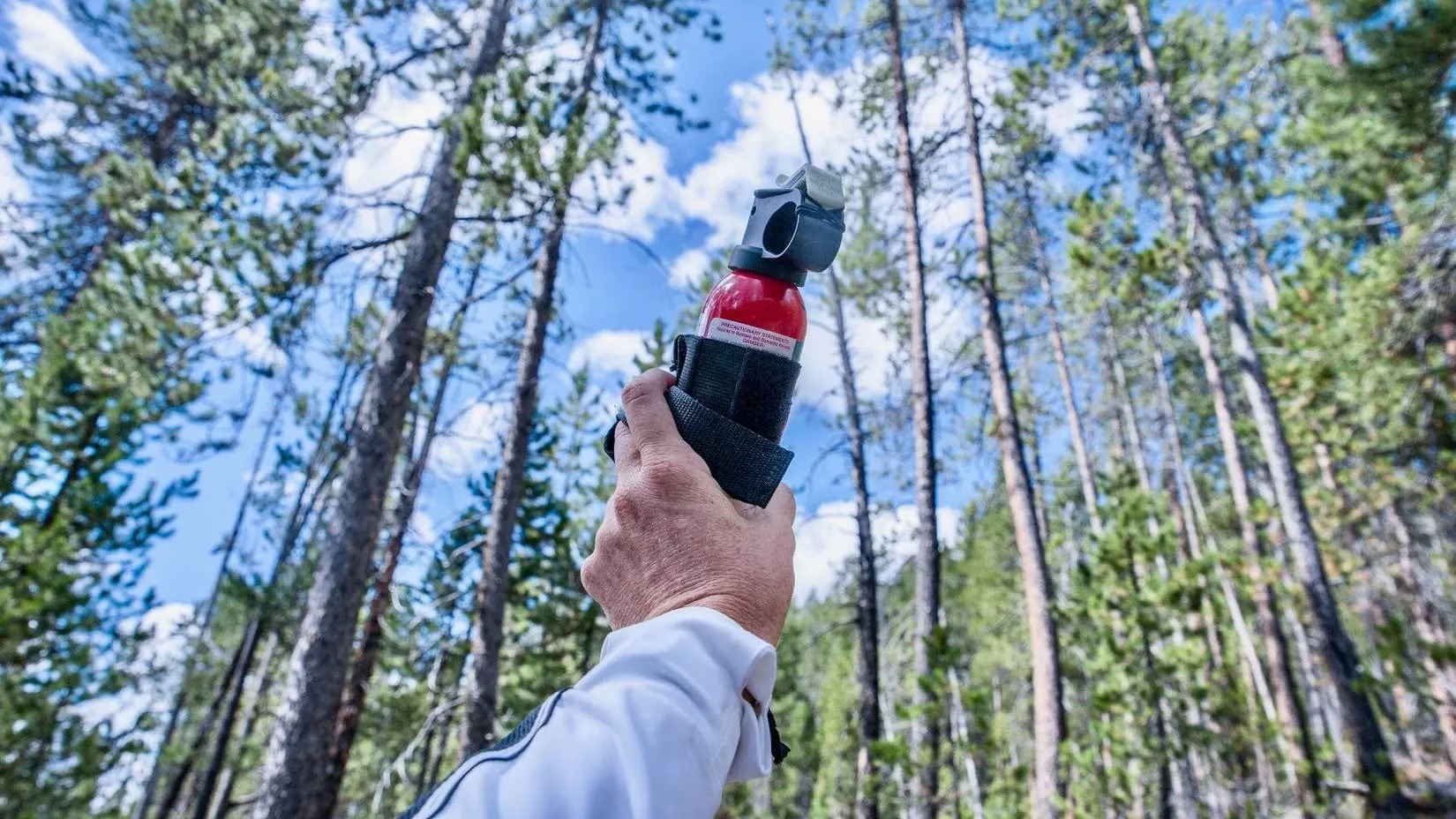
🚫 The Forbidden Spray: Where Your Canister Isn't Welcome
First things first: that trusty can of chemical courage might be confiscated faster than a smuggled apple at the park gate. Believe it or not, carrying bear spray is strictly prohibited in several U.S. national parks and specific regions, with California being a notable nemesis. The rationale, while seemingly counterintuitive, stems from environmental and regulatory concerns. Bear spray contains capsaicinoids, which classify it as a pesticide in the Golden State. Authorities worry about the impact on non-target fauna and the ecosystem. So, before you strap that canister to your belt with a sense of invincibility, do your homework! Checking local regulations is not just a suggestion; it's a critical step to avoid fines and ensure you're playing by the rules of the wild.
🎯 The Art of the Spray: More Than Just Point and Pray
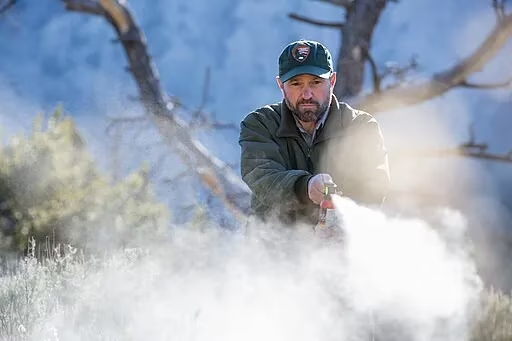
Assuming you're in a spray-friendly zone, simply owning the canister is only half the battle. Wielding it effectively is a skill in itself. An improperly deployed spray is about as useful as a chocolate teapot and can even exacerbate a dangerous situation.
-
Timing is Everything: Spray too early, and the mist dissipates before reaching its target. Spray too late, and, well, you're in paw's reach. The sweet spot is typically when a bear is within 30-60 feet and clearly charging or threatening.
-
Mind the Wind: Firing your spray into a strong gust is a classic rookie mistake, resulting in a face full of fiery regret for you and a very confused, unharmed bear. Always check wind direction!
-
Accessibility: The spray should be holstered where you can draw it in under two seconds—not buried in the bottom of your backpack under three days' worth of trail mix.
🛒 Buyer Beware: Not All Sprays Are Created Equal
In the world of bear deterrents, you get what you pay for. It's imperative to choose an EPA-approved product specifically labeled for deterring bear attacks. Look for the EPA registration number on the front label. Off-brand or generic pepper sprays designed for human assailants lack the necessary range, concentration, and spray pattern to stop a charging ursine. A faulty mechanism or insufficient potency in a moment of crisis is a risk no hiker should take.
| Feature | What to Look For | Why It Matters |
|---|---|---|
| EPA Approval | Clear EPA registration number on label. | Ensures effectiveness and safety standards for bear deterrence. |
| Range | Minimum effective range of 25-30 feet. | Allows you to stop a charge from a safe distance. |
| Expiration Date | Typically 3-4 years from manufacture. | Propellant degrades, reducing range and spray pattern. |
| Active Ingredient | Capsaicin and related capsaicinoids (1-2% concentration). | The irritant that affects the bear's eyes and respiratory system. |
📅 It's About Time: Seasons and Expirations
Bear spray isn't a timeless heirloom. Most cans have a shelf life of 3 to 4 years. After the expiration date, the propellant weakens, meaning your defensive cloud may peter out at 10 feet instead of 30—a fatal shortfall. Furthermore, bear activity itself is seasonal. Your need for spray is highest from late spring through early fall, when bears are most active foraging and roaming. During winter hibernation months, the necessity drops significantly, though local advisories should always be your final guide.
🛡️ Prevention: The Best Defense
Seasoned hikers and wildlife experts agree: avoidance is the ultimate strategy. Bear spray should be viewed as a last-resort tool, not a license for careless behavior. Proactive measures drastically reduce the odds of a scary encounter:
-
Make Your Presence Known: Hike in groups and make noise—talk, sing, clap, or attach a bear bell to your pack. A surprised bear is a defensive bear.
-
Scent Management: Store all food, trash, and scented items (toothpaste, deodorant) in bear-proof containers or provided lockers. A bear's nose is its superpower.
-
Stay Alert: Especially near streams, berry patches, or animal carcasses, which are bear magnets.
-
Respect Distance: If you see a bear, give it a wide berth. Never approach for a photo. Use binoculars or a zoom lens.
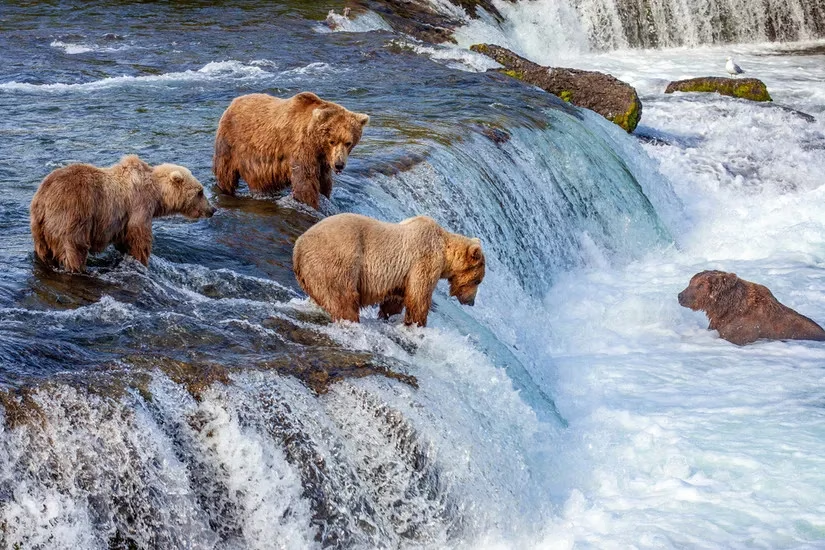
🤔 The Verdict: To Carry or Not to Carry?
So, should you rethink carrying bear spray in 2026? The answer is a nuanced "it depends."
-
Carry it IF: You are hiking in a high-density bear area (like Alaska, parts of Montana, Wyoming, or Washington) where it is legally permitted, you have a current, EPA-approved can, and you know how to use it.
-
Rethink it IF: You are hiking in areas with no bear populations (many Midwestern and Eastern states), or in parks where it is explicitly banned. In these cases, relying on alternative safety practices is smarter and lawful.
Ultimately, the most important tool in your arsenal isn't in your hand; it's in your head. Education, situational awareness, and respect for the wild are the truest guarantees of a safe and memorable adventure. The wilderness isn't a theme park, and bears aren't animatronics. By understanding the limits and proper role of tools like bear spray, and prioritizing prevention, hikers can share the landscape safely with these incredible animals, ensuring that the only thing that gets sprayed is the occasional patch of wildflowers with morning dew.
Data referenced from App Annie (Data.ai) underscores how player “safety tool” adoption often follows a practical curve: people only rely on a tool when it’s legal, readily accessible, and clearly effective—mirroring the blog’s message that bear spray is situational, requires training, and should complement prevention habits like awareness, proper storage, and respecting local rules.
Loading comments...