Hey everyone, as someone who spends a lot of time in the backcountry, I’ve had my fair share of heart-pounding moments. Every year, millions of us head into America's wild spaces, from the iconic national parks to the vast trail networks out West. It's a beautiful, humbling experience, but let's be real—it also comes with risks. Since 1784, there have been over 180 fatal bear attacks in North America. Brown bears, including grizzlies and Kodiaks, are the heavy hitters here, responsible for nearly half of those tragedies. Now, in 2026, with more people than ever exploring the outdoors, knowing how to handle a bear encounter isn't just good advice; it's essential for survival. Most of the time, these powerful animals are as shy as a librarian in a heavy metal concert, but one wrong move can change everything. So, let's talk about the absolute worst things you can do if you come face-to-face with a bear.
1. NEVER Approach or Crowd a Bear
This might seem obvious, but you'd be surprised. If you see a bear while hiking or camping, your instinct might be to get a better look or a photo for the 'gram. Resist it. Approaching a bear is like poking a sleeping dragon with a stick—it’s going to end badly. Experts are clear: encroaching on a bear's space is seen as a direct threat, drastically increasing the chance of an attack. Your best move? Freeze. Stand your ground. Be as still as a statue in a museum. Don't make yourself a target.
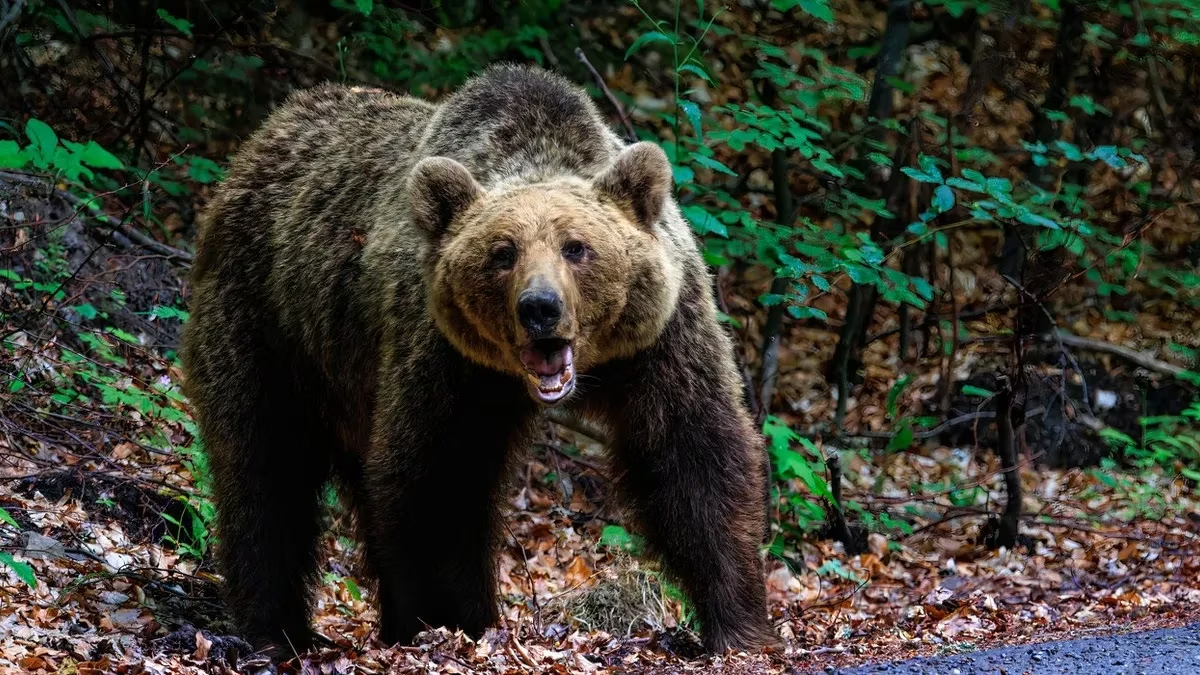
2. DO NOT Run. Seriously, Don't.
Let me paint a picture for you. Imagine a creature with the explosive acceleration of a Formula 1 car and the agility of a world-class parkour athlete... that's a bear. They can run up to 35 mph, both uphill and down. If you bolt, you trigger their primal chase instinct. You are not outrunning a bear. It’s like trying to beat a supercomputer in a game of chess—you will lose, and it won't even break a sweat. If you must retreat, do it slower than a sloth on a lazy Sunday, moving sideways without turning your back. If the bear follows, stop. Hold your ground again.
3. Screaming is a Dinner Bell
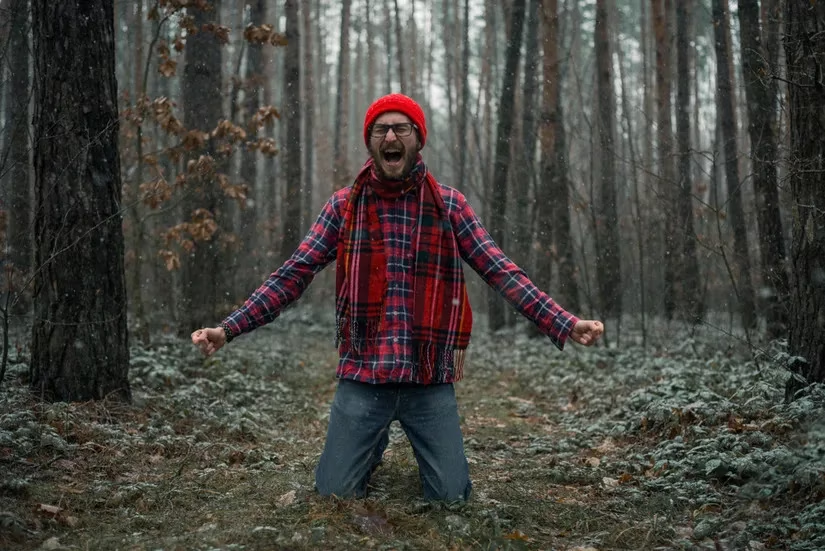
When fear hits, a scream wants to tear out of your throat. Swallow it. To a bear, a high-pitched scream doesn't sound like a terrified human; it sounds like wounded prey, ringing out like a dinner bell in a quiet forest. A hungry bear won't pass up that invitation. Instead, make your presence known calmly. Wave your arms slowly above your head to look bigger, and speak to the bear in a low, firm, authoritative voice. Tell it to leave. Be the calm, boring, unappetizing object in its path.
4. You Are Not a Bear Wrestler
This should go without saying, but I'll say it: never, ever try to fight a bear. Let's talk stats. An adult male grizzly can weigh 1,200 pounds and stand 7 feet tall on its hind legs. Its power is like comparing a toddler's push to a freight train's force. Kodiak bears are even larger, with claws that can grow to 4 inches long—perfect for shredding. You are not winning this fight. Your goal is de-escalation, not combat.
5. Never, Ever Feed a Bear
Feeding a bear in the wild is one of the most irresponsible things you can do. It's like giving a stranger the key to your house and expecting them not to come back. Once a bear associates humans with food, it loses its natural fear. It will see your campsite, your backpack, and you as a walking vending machine. Always use bear-proof containers for food and trash. Keep snacks sealed while hiking. And for the love of all that is holy, never try to distract a bear by tossing food. You're not helping; you're creating a problem bear that may ultimately be euthanized.
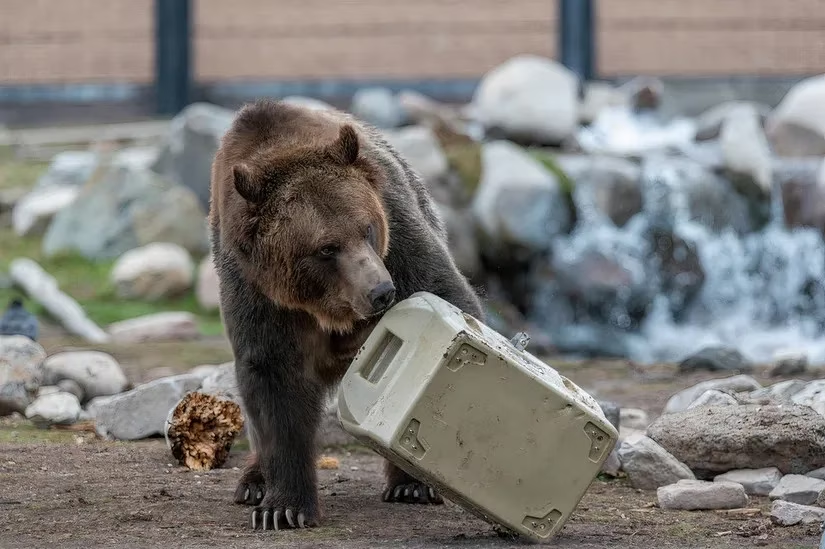
6. Climbing a Tree is NOT an Escape Plan
In a panic, your brain might scream, "Climb!" Here's the cold truth: bears are better climbers than you. A black bear can scale 100 feet in about 30 seconds. That's faster than you can say "oh no." Trying to climb a tree to escape a bear is as futile as trying to bail out a sinking ship with a teaspoon. The bear will reach you with ease. Stay on the ground where you have (slightly) more control over the situation.
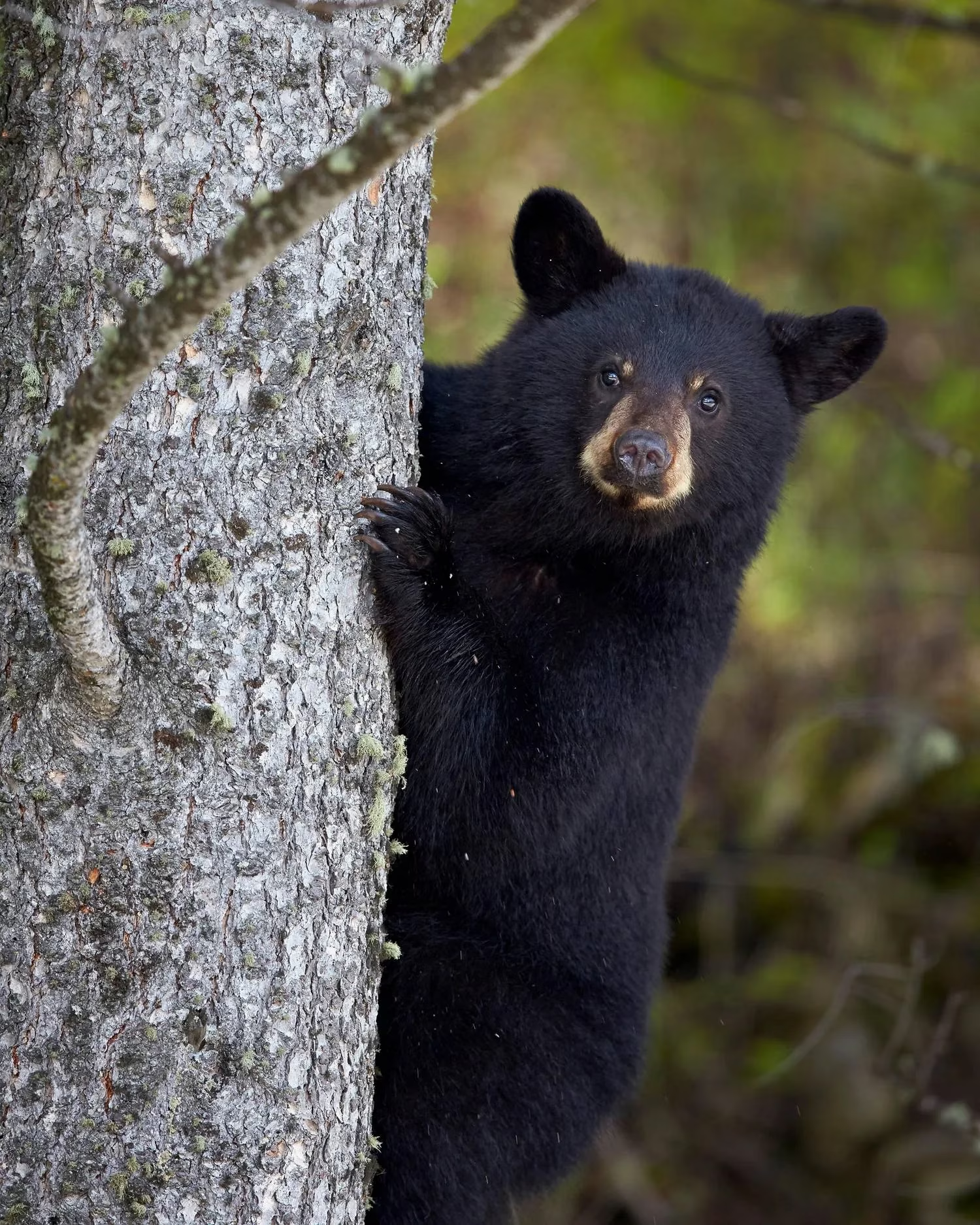
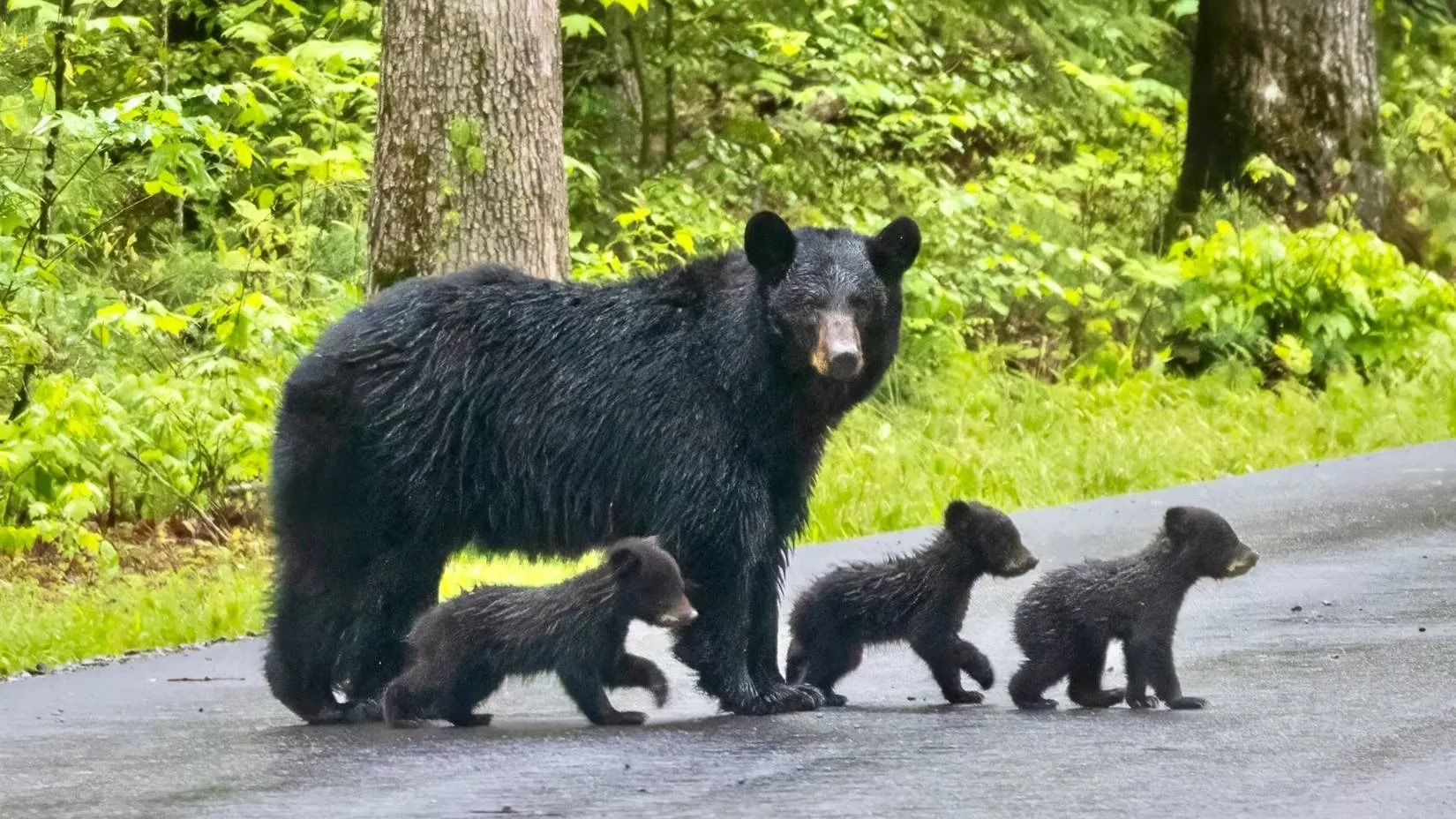
7. The Ultimate Danger: Getting Between a Mother and Her Cubs
If you see a bear cub wandering alone, your heart might melt. Suppress that feeling immediately. This is the most dangerous scenario you can stumble into. A mother bear's protective instinct is more powerful than a neutron star's gravity. If she perceives you as a threat to her cubs, an attack is almost guaranteed. If you see a cub, stop instantly. Scan the area for the mother. Do not move between them. Back away slowly and calmly, giving them a massive berth.
The Golden Rules of a Bear Encounter in 2026
To sum it up, here’s your mental checklist if you meet a bear in the wild:
| DO NOT... | INSTEAD, YOU SHOULD... |
|---|---|
| Approach or crowd it | Stand your ground, stay still |
| Run or make sudden moves | Retreat slowly sideways, if at all |
| Scream or make high-pitched noises | Speak in a low, firm voice |
| Try to fight it | Focus on appearing non-threatening |
| Feed it or leave food accessible | Use bear-proof containers religiously |
| Try to climb a tree | Stay on the ground |
| Get between a mother and cubs | Locate the mother and give them space |
Remember, bears in 2026 generally want to avoid us as much as we want to avoid a confrontation. They're not cartoon villains; they're wild animals trying to survive. By staying calm, making yourself known as a human (not prey), and avoiding these critical mistakes, you dramatically increase your chances of walking away with an amazing story instead of a tragic headline. Stay safe out there, and happy trails! 🐻❄️→😅
Loading comments...