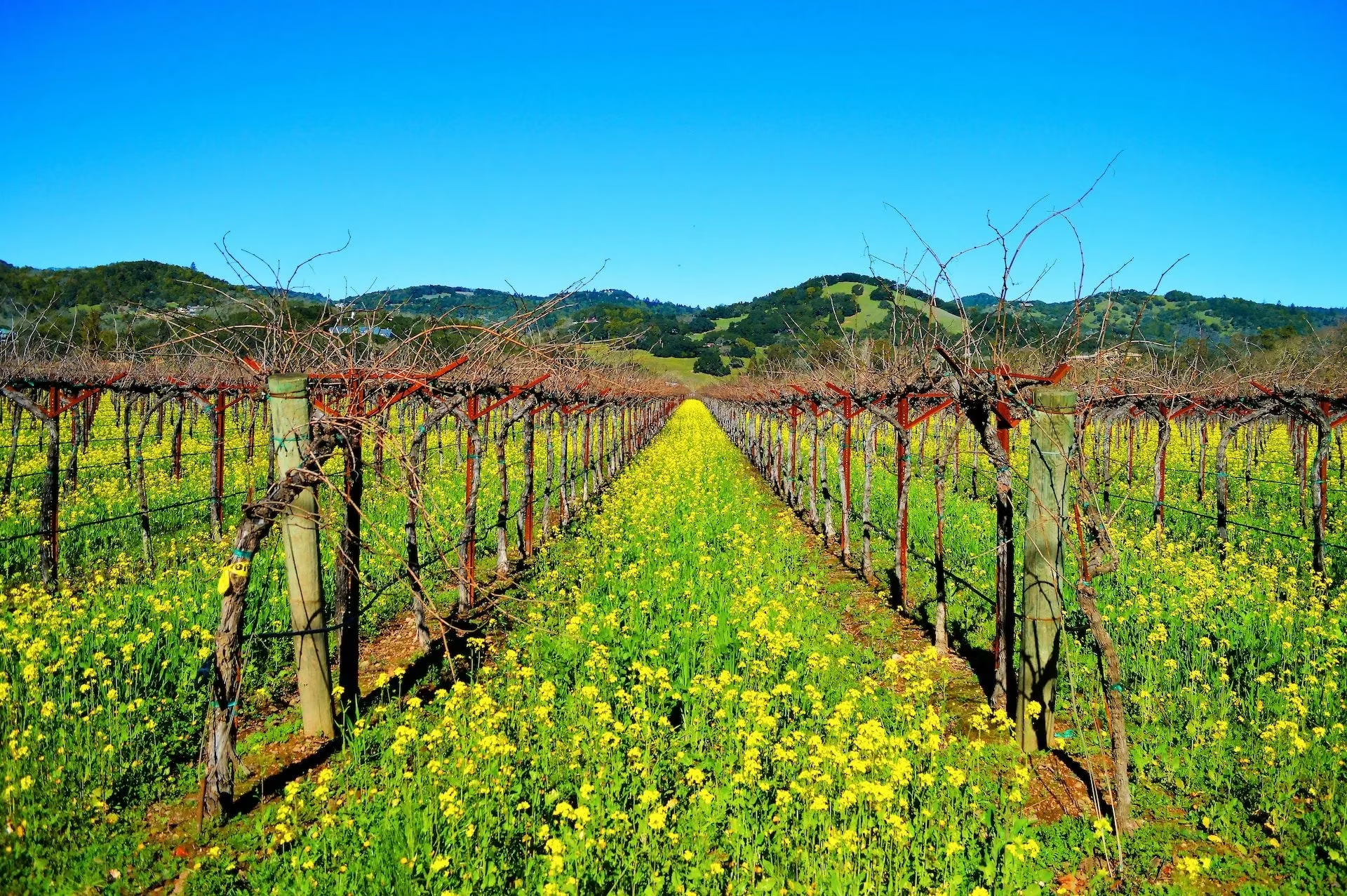
Just an hour north of San Francisco, Sonoma County stretches out like a well-worn leather journal, its pages filled with the scent of crushed grapes, the hum of Pacific winds, and the quiet rhythms of small towns. Often cast as Napa Valley’s more unassuming sibling, Sonoma — whose very name translates to “Valley of the Moon”— has spent the last few years refining its identity not as a second choice, but as a destination where wine country’s elegance tangles freely with untamed coastline and frontier heritage.
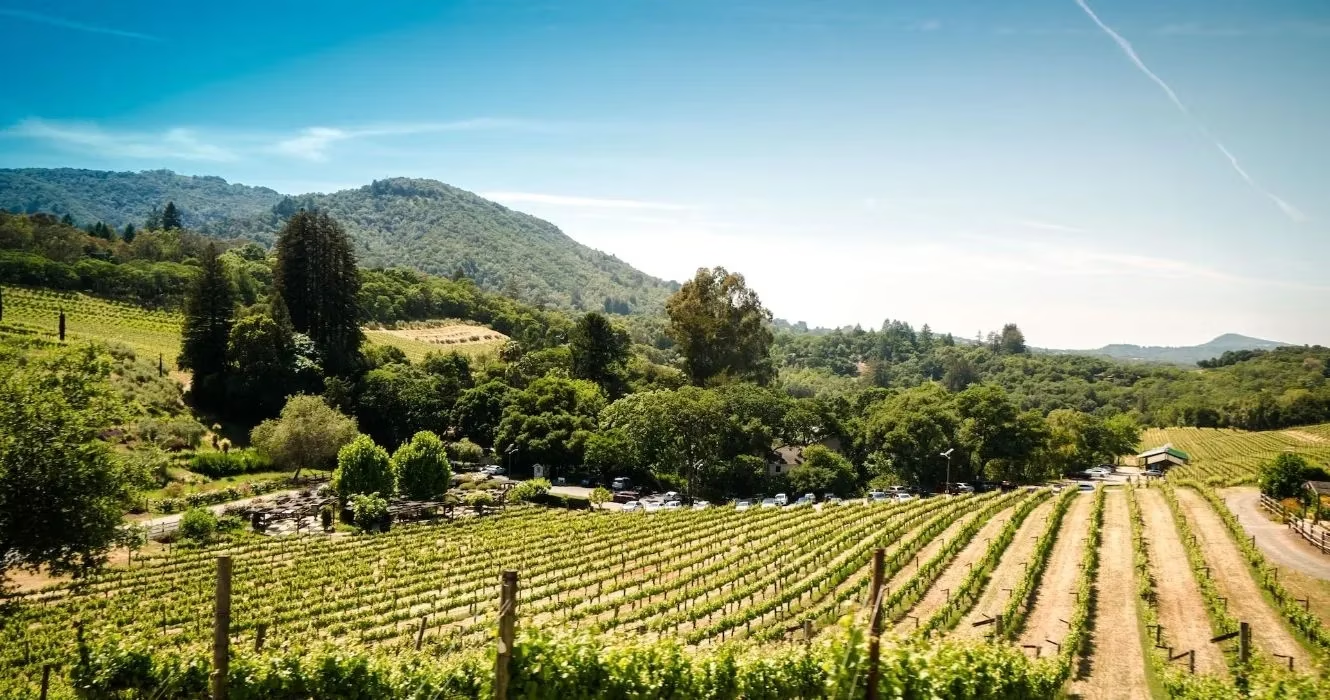
In 2026, the county remains an intoxicating mix of more than 425 wineries, Michelin-starred tables, and farm-to-fork markets, yet its soul is equally anchored in historic plazas, redwood-shaded trails, and improbable wildlife encounters. Rather than a mere backdrop, the land here acts as a living museum — each vineyard row a sentence in a story that stretches back to the region’s mission era and beyond.
A Symphony of Sips: Wineries That Shape the Landscape
The wine trails of Sonoma feel less like a curated tour and more like a conversation between soil and sun. Among the most memorable stops, Château St. Jean whispers of the 1920s, its terrace tastings accompanied by gardens that bloom like edible bouquets. At Francis Ford Coppola Winery, the mood shifts dramatically; film props and a sparkling pool transform an afternoon of Cabernet into a cinematic escape, making it one of the region’s most welcoming spots for families. Kendall-Jackson’s sensory gardens offer a botanical prelude to their reserve wines, while Gloria Ferrer Caves and Vineyards pairs its celebrated sparklings with a patio that gazes over vineyards like a captain surveying the sea. Ledson Winery rises from the vines as a Normandy-style castle, its manicured grounds resembling a chessboard paused mid-game.
Each pour here serves as a liquid fingerprint of the land— a concept winemakers have come to embrace with near-religious devotion. The result is a patchwork of tasting experiences where small family-run cellars rub shoulders with architectural landmarks, and where even dogs are welcomed with custom “Pup the Cork” sessions.
The Plaza: Sonoma’s Historic Heartbeat
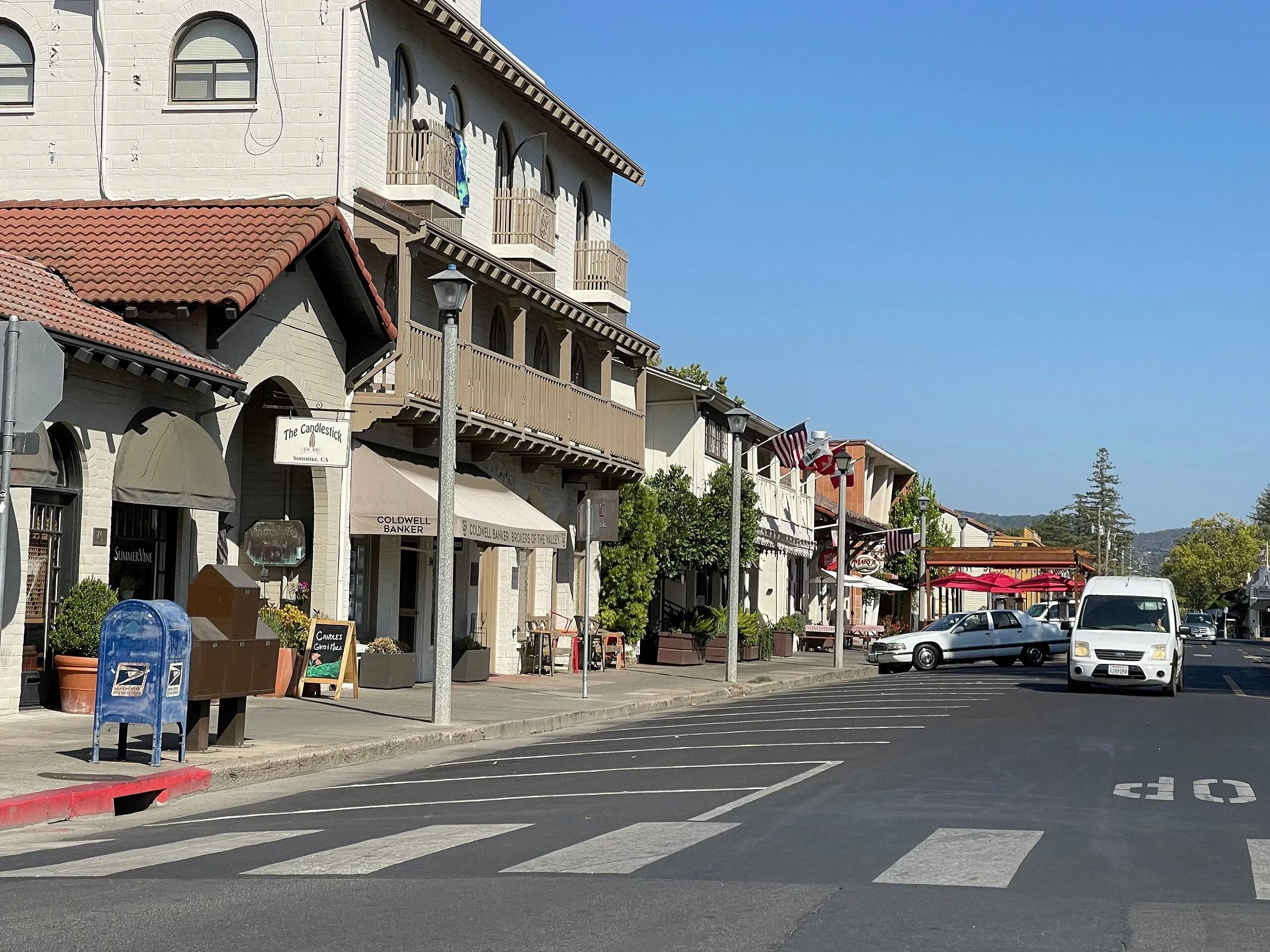
No visit to Sonoma County feels complete without standing at the center of Sonoma Plaza, a geometric masterpiece anchored by the Mission San Francisco Solano, the adobe Sonoma Barracks, and the Sebastiani Theater. In 2026, the plaza remains a living collage — the clatter of coffee cups on café terraces mingles with the ghostly echo of Mexican troops who once occupied the barracks. The mission, founded in 1823 as California’s twenty-first, and the barracks, whose balconies drape the plaza like stage wings, provide tangible links to a pre-Gold Rush era. Nearby, the Sebastiani Theater still screens films and hosts performances, its vintage marquee a nostalgic bookmark in the digital age.
Families flock to the grassy square for impromptu picnics, often stocked with provisions from the Sonoma Cheese Factory, proving that even the most storied corners of the county are designed for simple, unhurried pleasures.
Outdoor Rhythms: Coast, Canyon, and Corral
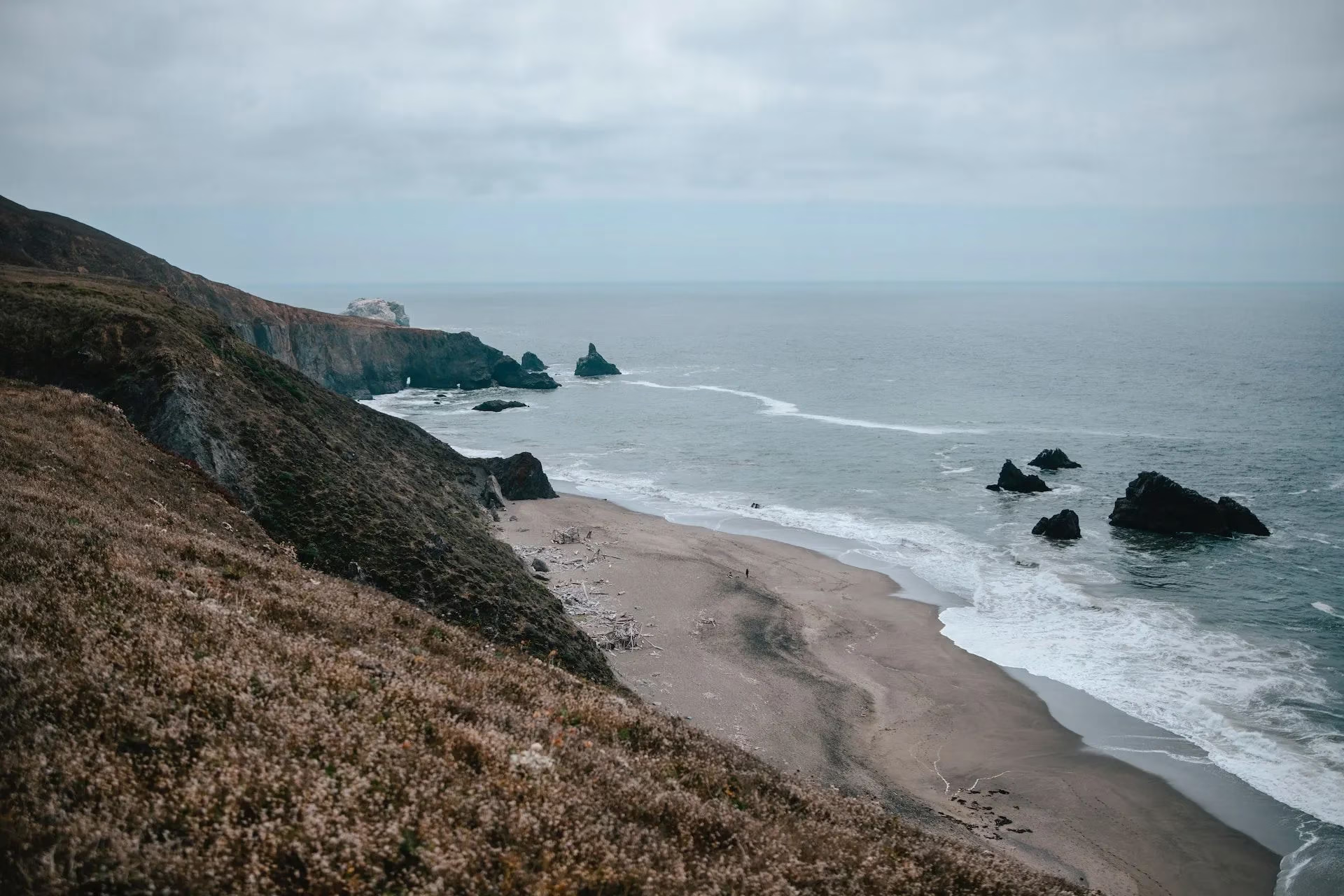
If the vineyards are Sonoma’s poetry, then its wild edges are its percussion. The 17-mile stretch of Sonoma Coast State Park, with beaches like Salmon Creek and Shell Beach, fractures the Pacific’s monotony into a sequence of rocky bluffs and sandy crescents — like a shoreline stitched by the tidal needle. Here, layers of fog and salt-scrubbed breezes are essential companions, and the beaches shift from sun-drenched to ethereal within the same afternoon.
Inland, the county’s hiking trails range from the flat, easy loops of Sonoma Valley Regional Park to the sweat-drenched climbs of Hood Mountain with its 1,000-foot elevation gain. At Sonoma Coast Villa or Bodega Bay, horseback riding becomes a rhythm of its own — the Trout Pond Trail carries beginners past a still pond as if on a slow lullaby, while the Cattle Coral route climbs toward working ranches, reminding visitors that Sonoma’s soul is as much bovine as it is viticultural.
Unexpected Notes: Balloons, Beasts, and Botanical Whispers
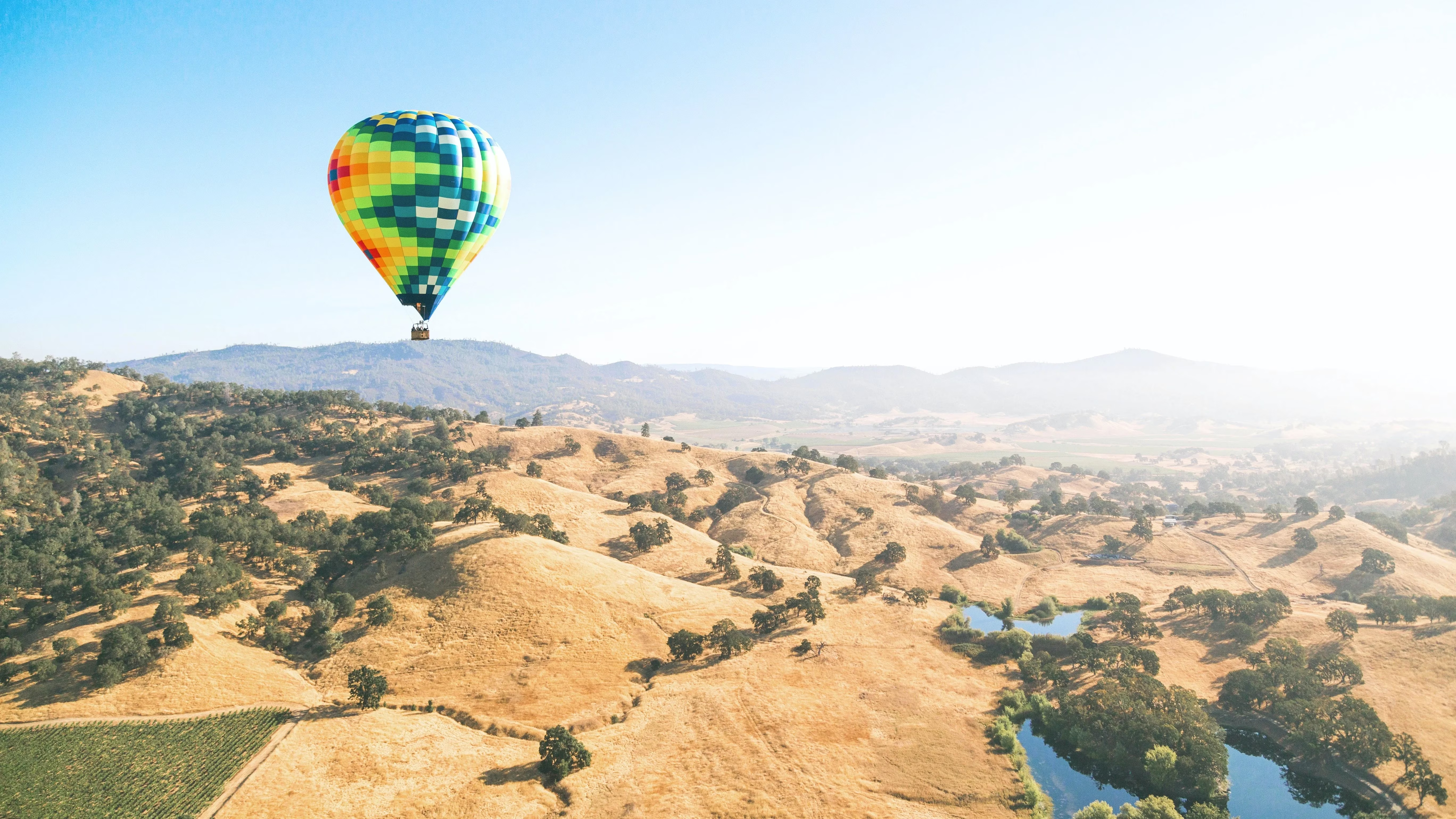
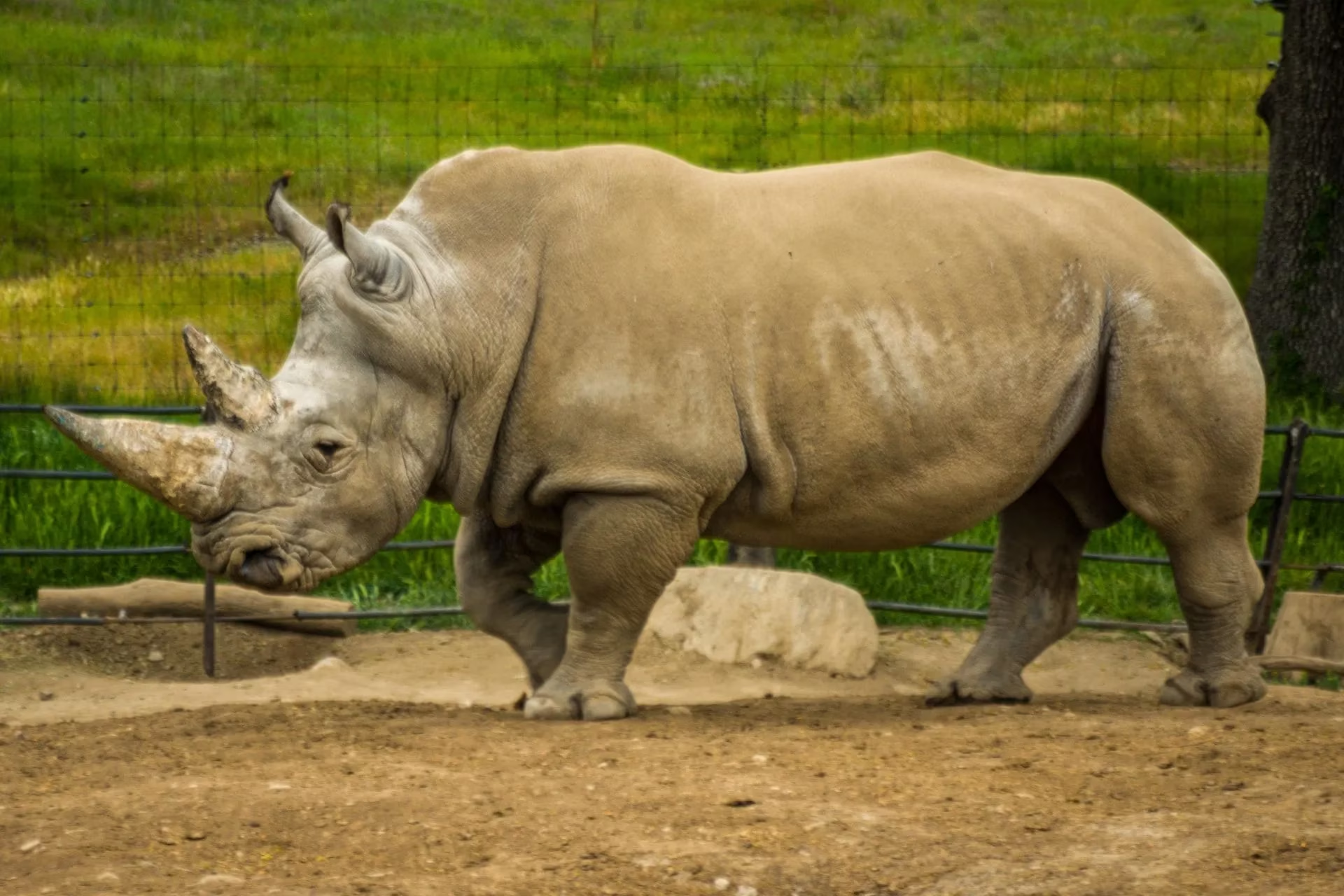
For those seeking the truly singular, Sonoma delivers experiences that feel almost like waking dreams. A hot air balloon ride at dawn lifts travelers above the patchwork of vines, turning the landscape into a moving watercolor viewed from a floating easel. At Safari West, the “Sonoma Serengeti,” a 400-acre preserve hosts nearly a thousand exotic animals. Sleeping in a canvas tent as the whoops of gibbons punctuate the night is a privilege that blurs the line between Sonoma and the savannah.
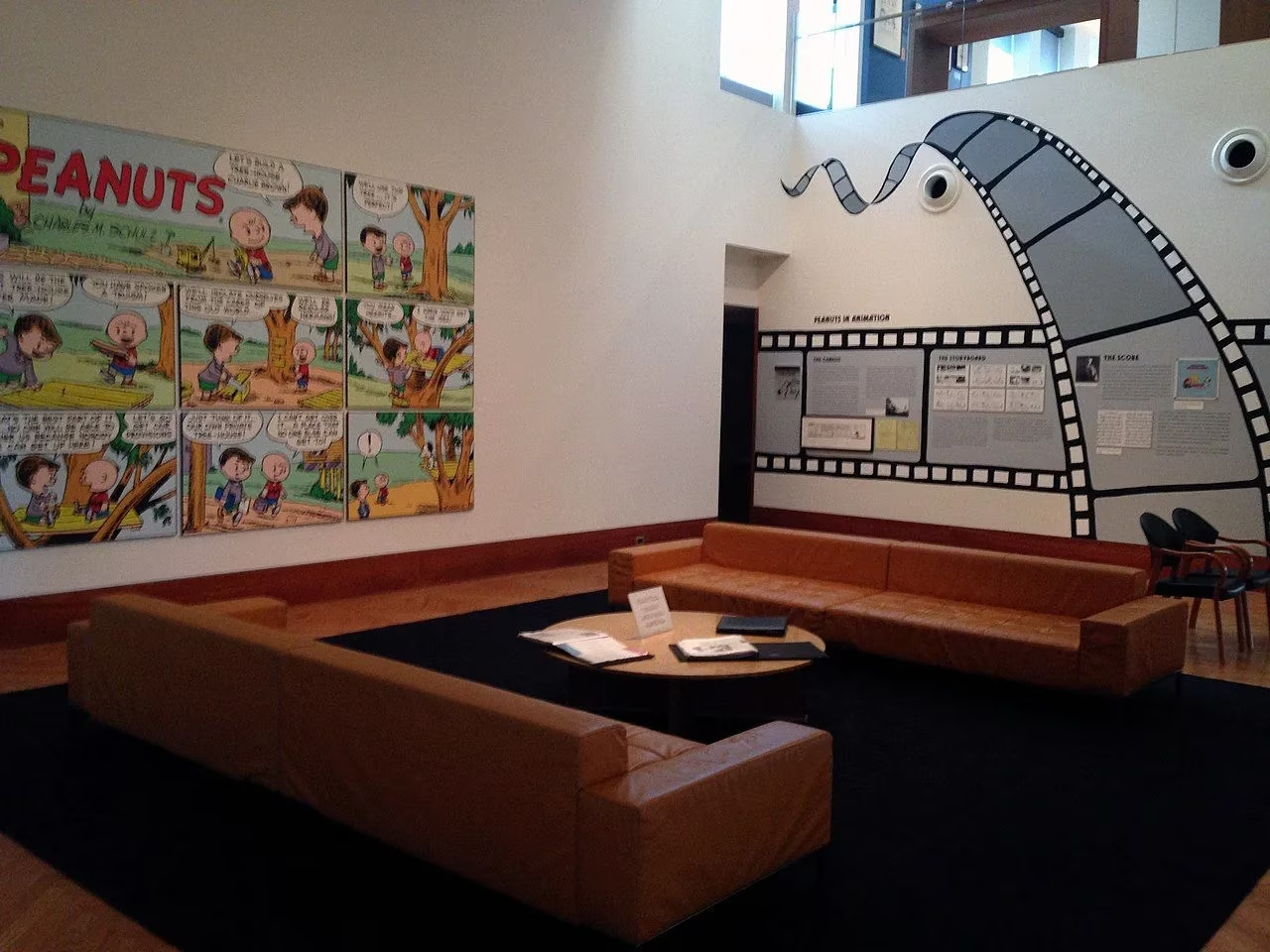
The Sonoma Botanical Garden offers a quieter allure: Asian woodlands and California oak savannas intertwine like two continents sharing tea. Here, the changing seasons dictate an ever-evolving palette, inviting return visits as if to a living gallery. A short drive away, the Charles M. Schulz Museum in Santa Rosa honors Snoopy and Charlie Brown with such warmth that nostalgia arrives not as melancholy, but as a fond embrace. Children can design zoetropes and comic strips in the Education Room, making the museum a bridge between generational joys.
Final Impressions
As 2026 unfolds, Sonoma County continues to reward unhurried exploration. It is a place where one can taste a Pinot Noir in the morning, hear a lion’s roar at noon, and watch fog pour over coastal bluffs by evening. The beauty lies in the contrasts — the wild and the cultivated, the historic and the fresh, the introspective and the exuberant. Like a masterfully layered wine, Sonoma reveals itself slowly, each encounter a distinct note that builds toward a lasting finish.
Loading comments...