For the modern traveler in 2026, the Transportation Security Administration (TSA) checkpoint remains that critical, often stressful, threshold between the mundane world and the adventure—or business obligation—that awaits. While the goal is always to pass through swiftly and without incident, the reality can sometimes feel like an endurance test. From identity verification to ensuring no prohibited items reach the boarding area, TSA is a necessary part of the journey, a hurdle to clear before the real travel begins. A smooth passage sets a positive tone for the trip, while delays or complications can lead to missed flights and frayed nerves. So, how does one transform this necessary hassle into a streamlined process? The key lies in preparation, knowledge, and a few smart strategies.
Invest in Trusted Traveler Programs
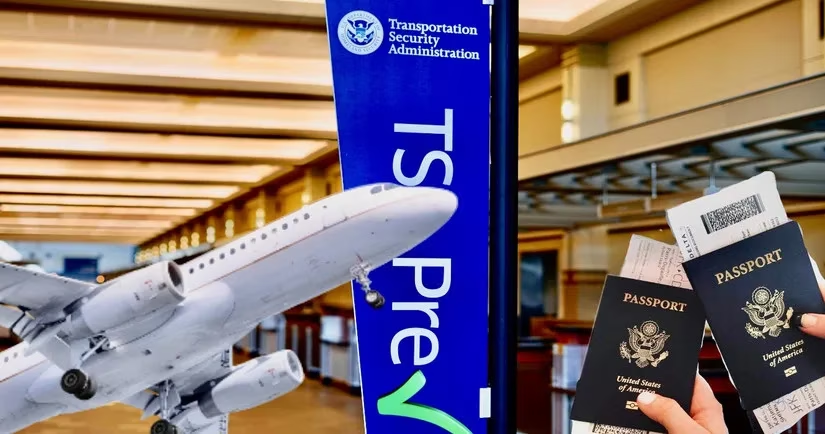
In the current travel landscape, enrolling in a trusted traveler program is arguably the single most effective way to speed through security. TSA PreCheck remains a cornerstone for domestic travel. For a fee, approved travelers gain access to dedicated, typically shorter lines and enjoy significant exemptions: you can keep your shoes, belt, and light jacket on, and your compliant liquids and electronics can stay nestled in your carry-on bag. This program works by pre-screening your background, establishing you as a lower-risk passenger. While not a guarantee against additional screening, it dramatically simplifies the routine process.
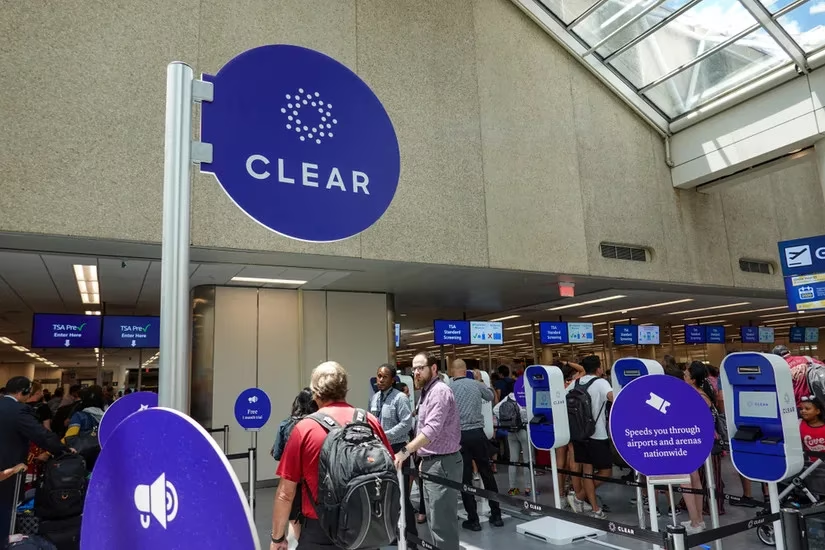
For an even faster identity verification process, there's CLEAR. This biometric membership program uses your fingerprints or retinal scan to confirm who you are, allowing you to bypass the initial ID check queue at participating airports. It's important to note that CLEAR does not grant the same physical screening exemptions as PreCheck; it simply gets you to the physical screening point faster. Many frequent flyers in 2026 opt for a combination of both programs for the ultimate express lane experience. For international travelers, Global Entry, which includes TSA PreCheck, expedites re-entry into the United States, making it a comprehensive solution.
Master the Art of Packing and Presentation
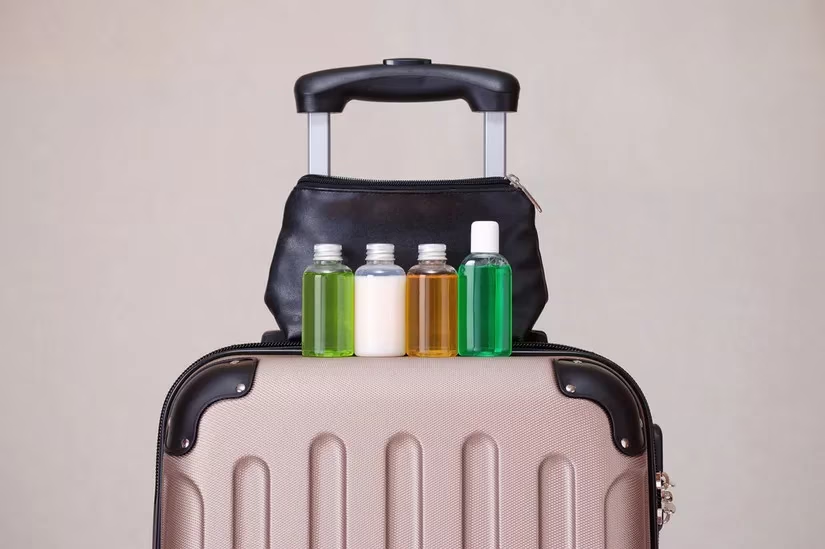
The battle for a smooth TSA experience is often won or lost before you even arrive at the airport. Adherence to the 3-1-1 rule for liquids is non-negotiable. All liquids, gels, aerosols, creams, and pastes must be in containers of 3.4 ounces (100 milliliters) or less, placed inside a single, clear, quart-sized, zip-top plastic bag. One bag per passenger. Exceptions exist for medications and infant nourishment, but these should be declared to the officer. Packing these items in an easily accessible outer pocket of your carry-on saves precious seconds during screening.
A common, easily avoidable slowdown is the humble water bottle. While staying hydrated and being eco-conscious are commendable, arriving at security with a full or partially full bottle is a surefire way to get stopped. The rule is simple: containers must be completely empty. Pack a dry, empty reusable bottle and fill it at a water fountain once you're airside. Similarly, take a moment to inspect your own bag—and crucially, your children's bags—for any forgotten prohibited items. A rogue juice box, a full-size toothpaste tube, or a souvenir pocketknife tucked away by a curious child can trigger a bag search and delay everyone.
Dress for Success and Have Documents Ready
Your choice of travel attire can significantly impact your speed through the checkpoint. Opt for slip-on shoes that you can remove and put back on effortlessly. Choose trousers or a dress that doesn't require a belt. Every second spent wrestling with complex laces or a stubborn buckle adds up, especially in the often cramped reassembly area post-screening. Even PreCheck members can be selected for random additional screening, so dressing smartly is a universal tip.
As you approach the queue, have your boarding pass (digital or paper) and government-issued photo ID in hand, ready for inspection. Fumbling through pockets or digging in a backpack while at the front of the line creates unnecessary pressure and slows the flow for everyone behind you. Being prepared at this first step sets a efficient tone for the entire interaction.
Navigate the Screening Line Like a Pro
Once at the divestment area, follow the instructions of the TSA officers and use the provided plastic bins efficiently. The general rule is: if it fits in a bin, it goes in a bin. This includes:
-
All bags (backpacks, purses, laptop bags)
-
Outerwear (jackets, heavy sweaters)
-
Hats
-
Your shoes (if required to remove them)
Smaller items like wallets, keys, and loose change should go into the smaller bowls or bins to prevent them from jamming the machinery or getting lost. Place items neatly in the bins instead of just tossing them onto the conveyor belt; an orderly presentation helps the officers reviewing the X-ray images and keeps the line moving.
Mind Your Manners and Avoid Jokes
This might be the most important tip of all. TSA officers have a difficult and serious job. While the rules may sometimes feel arbitrary or excessive, arguing, being rude, or making sarcastic comments will not make the process go faster. In fact, it will almost certainly have the opposite effect. Courtesy and patience go a long way. Remember, they are people doing a job defined by strict, often unseen, protocols.
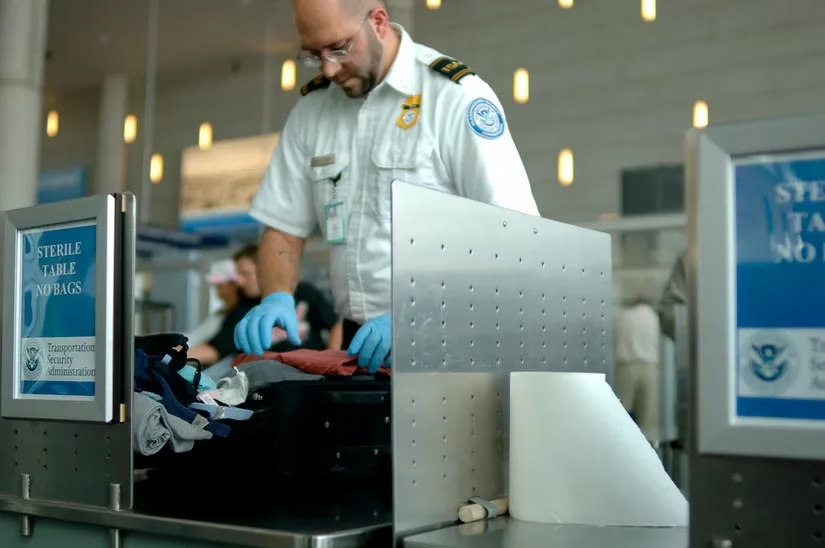
Furthermore, airport security is absolutely not the place for humor, especially of the dark or edgy variety. Any comment about weapons, explosives, or threats—even said in obvious jest—will be taken with the utmost seriousness. Such a "joke" can lead to a full security response, including law enforcement involvement, lengthy delays, missed flights, and potential fines or arrest. It is a risk with zero reward.
By combining these strategies—enrolling in expedited programs, packing wisely, dressing appropriately, organizing belongings efficiently, and interacting with respect—travelers in 2026 can reclaim a sense of control and calm at the security checkpoint. The goal isn't just to get through faster; it's to start your journey on a positive, stress-free note, leaving the hassle behind as you stride toward your gate.
Loading comments...