Alright, nature fam! 🙌 As we're planning our 2026 adventures, there's nothing quite like the thrill of spotting a bear in the wild during a national park visit. It's that heart-pounding, awe-inspiring moment that makes you feel truly alive and connected to the raw beauty of nature. But let's be real – while these majestic creatures are incredible to observe, they demand our utmost respect and understanding. I've spent countless hours researching and chatting with park rangers to bring you this comprehensive, safety-first guide. Think of it as your bear-safety bible, packed with everything you need to know for a memorable and safe encounter with America's most iconic wilderness residents. Remember, our goal is coexistence, not confrontation! 🐻💚
Know Your Bears: The Cast of Characters
First things first, not all bears are created equal. In the US national parks, you're likely to encounter two main types:
-
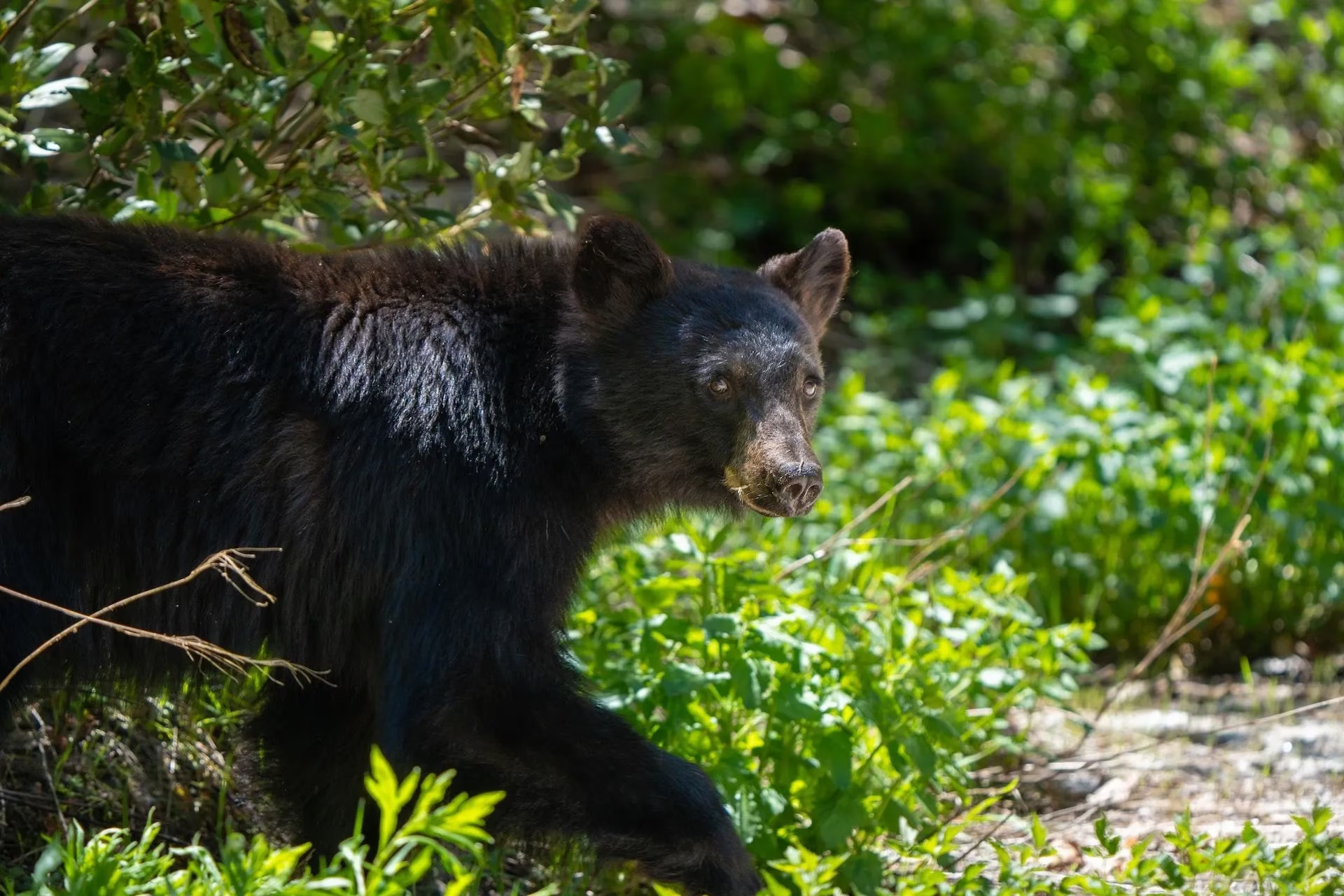
Black Bears: 🐾 These are the more common residents, found in parks across the lower 48 states. Don't let the name fool you – they can be brown, cinnamon, or even blonde!
-
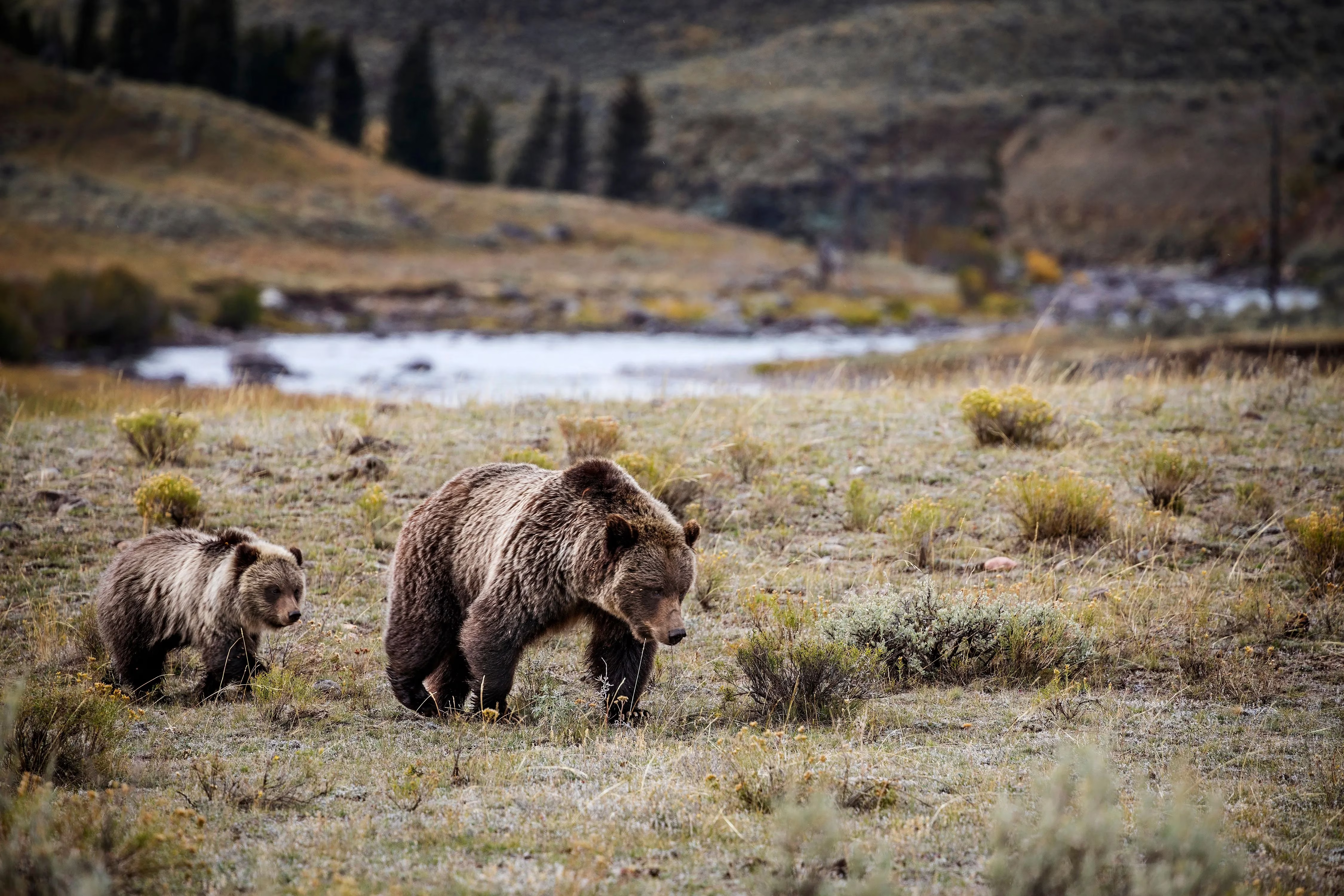
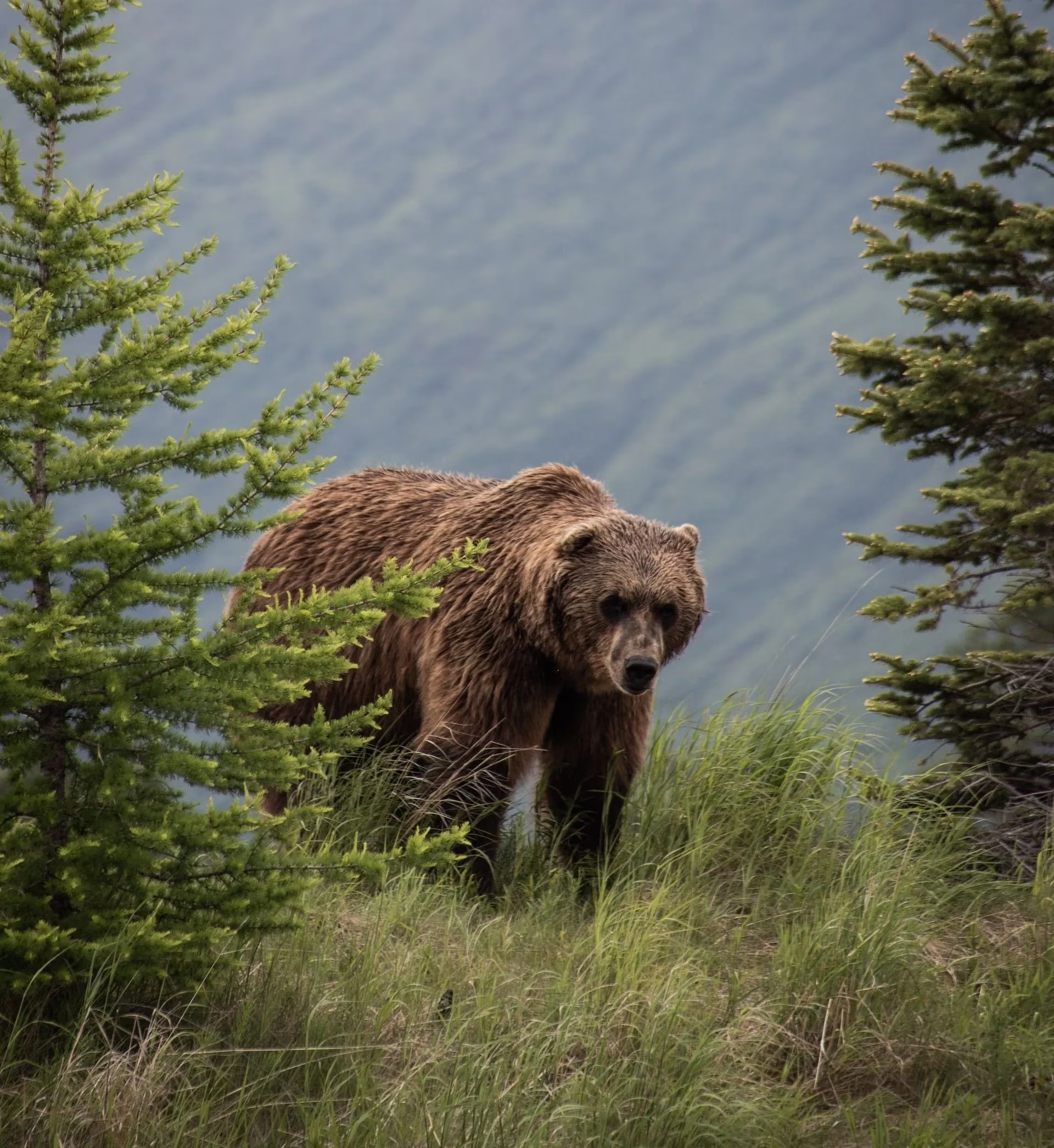
Brown Bears (Grizzlies): 🐾💪 These are the larger, more powerful cousins, primarily found in Alaska, Montana, Wyoming (think Yellowstone!), and Washington. They're like the heavyweight champions of the forest.
A tiny handful of parks on Alaska's northern coast might have polar bears, but that's a whole other (and very rare) level of adventure. The key takeaway? Brown bears are generally considered more dangerous due to their size and temperament. But listen up – both deserve a wide berth and your full attention to safety protocols.
Rule #1: Food is NOT for Sharing (Seriously!)
This is the golden rule, people! A bear's sense of smell is a biological superpower, a scent-tracking radar more sophisticated than the most advanced AI. They can sniff out your picnic from over a mile away. If you leave food unsecured, you're basically sending out a dinner invitation to a 300-pound guest with claws.
-
Use Bear-Proof Containers: Many parks provide these. Use them! Lock away ALL food, trash, toiletries, and even scented items like sunscreen or bug spray.
-
The Hang Method: In areas without containers, you'll need to hang your food bag at least 10 feet off the ground and 4 feet away from any tree trunk. It's like playing a high-stakes game of keep-away with a very determined, furry opponent.
Proper food storage isn't just about your safety; it's about the bears' survival. A bear that gets a taste for human food becomes a "problem bear," often leading to its relocation or worse. Let's keep them wild and foraging for berries, not breaking into coolers.
Make Some Noise! Announce Your Presence
Bears are like introverts at a party – they'd rather avoid a scene. Most attacks happen because a bear is startled. Your best defense? Be a little loud!
When hiking in bear country (which includes most of the epic trails in parks like Glacier, Great Smoky Mountains, and Denali), make consistent noise. Clap, sing off-key, talk loudly with your hiking buddies, or attach a bear bell to your pack. The goal is to sound like a clumsy, noisy human, not a silent deer. Think of yourself as a walking, talking alarm system, giving bears plenty of time to amble off the trail before you even see them.
Observe from a Distance: The Art of Bear Watching
Places like Brooks Camp in Katmai National Park are legendary for bear watching, especially during the salmon run at Brooks Falls. It's a spectacle that feels like watching a live National Geographic documentary.
However, distance is non-negotiable.
-
Always use binoculars or a zoom lens. That close-up phone pic isn't worth the risk.
-
Never, ever approach a bear, especially a mama with cubs. A mother bear's protectiveness is a force of nature more powerful than a flash flood – you do not want to test it.
-
If your presence changes the bear's behavior (it stops feeding, looks at you, moves away), you are TOO CLOSE. Back away slowly.
Your Secret Weapon: Bear Spray (Check the Rules First!)
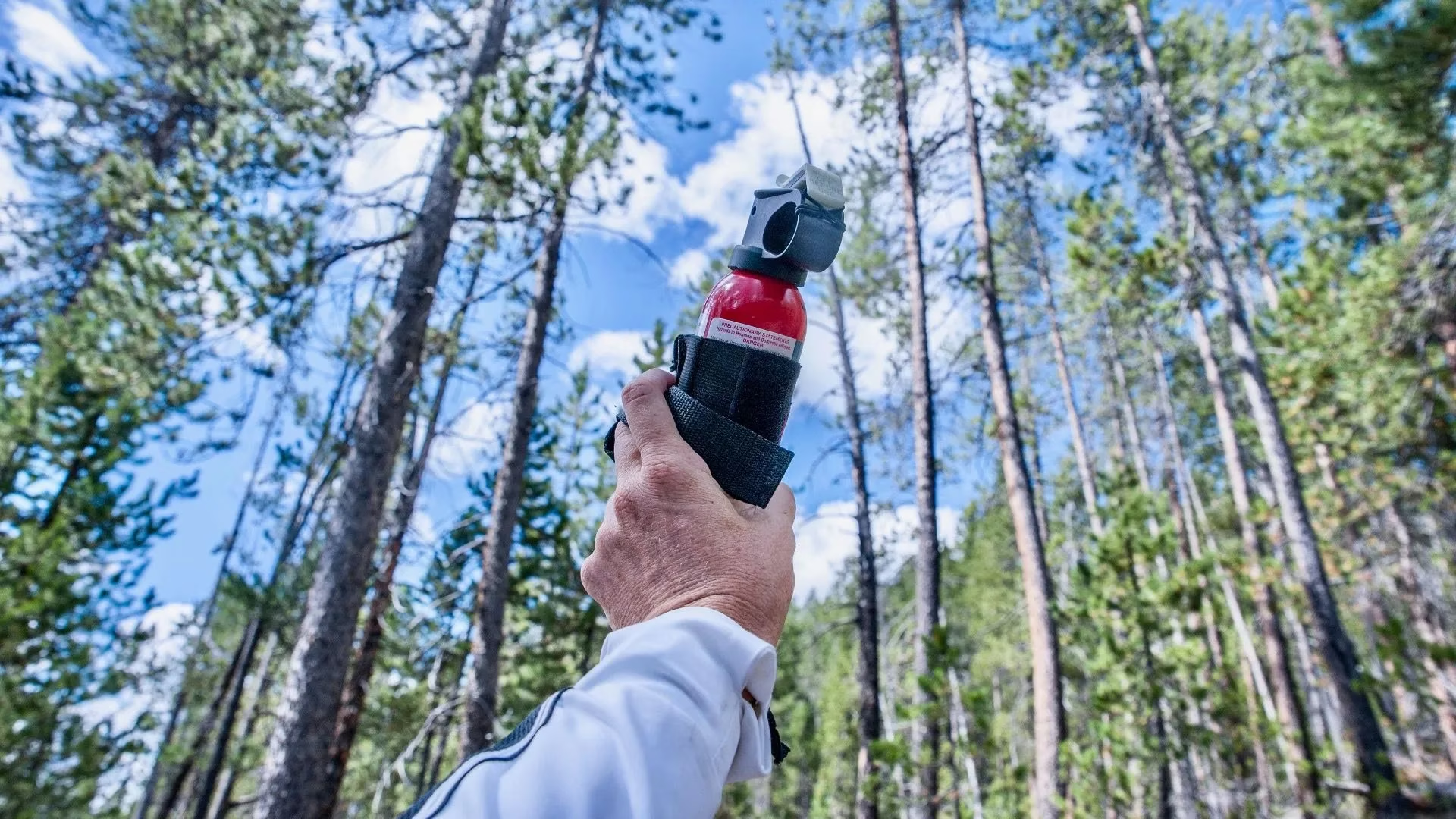
Carrying bear spray is like having a fire extinguisher – you hope you never need it, but you'll be incredibly grateful it's there if you do. It's a potent pepper spray designed to stop a charging bear.
Crucial Note: Not all parks allow it! Parks in California, like Yosemite and Sequoia, prohibit bear spray. Always check the specific regulations for your destination park in 2026. If it's allowed, learn how to use it before your hike (it's not intuitive!), keep it accessible (not buried in your pack), and know that it's a last-resort defensive tool, not a repellent to be sprayed around your campsite.
Hike in Groups & Stand Your Ground
There's immense safety in numbers. A group is louder, smellier (to a bear), and appears more intimidating. A bear is far less likely to approach or challenge a group than a solo hiker.
If you do encounter a bear at close range:
-
DO NOT RUN. I repeat, DO NOT RUN. Running triggers a predator's chase instinct. A bear can outrun a racehorse; you cannot outrun a bear. It's like trying to out-sprint a sports car on a mountain trail – a losing proposition.
-
Stand your ground. Group together. Make yourselves look bigger by raising your arms, standing on higher ground, or opening a jacket.
-
Talk calmly. Speak in low, monotone voices. This helps identify you as human, not prey. Screaming can be perceived as the sound of a wounded animal, which is an invitation.
-
Back away slowly. Once the bear stops advancing, move away sideways (never turn your back) without sudden movements.
If the Worst Happens: Fight or Play Dead?
This is the scary part we all hope to avoid, but you must know the drill. Your response depends entirely on the type of bear and the nature of the attack.
| Bear Type | Defensive Attack (You surprised it) | Predatory Attack (It's stalking/hunting you) |
|---|---|---|
| Brown Bear / Grizzly | PLAY DEAD. 🛌 Lie flat on your stomach, hands clasped behind your neck, legs spread to make it harder to flip you. Keep your pack on for protection. Stay still until you are SURE the bear has left. | FIGHT BACK. 👊 This is rare, but if the bear continues to attack after you play dead, fight for your life with anything you have. |
| Black Bear | FIGHT BACK. 👊 Do not play dead. Yell, hit the bear in the face/muzzle with rocks, sticks, or your fists. Be aggressive and convince it you're not worth the trouble. | FIGHT BACK. 👊 Same as above. A predatory black bear must be met with forceful resistance. |
Understanding this difference is as critical as knowing the difference between treating a burn and a deep cut – the wrong response can make things much worse.
Final Thoughts for 2026 Adventurers
Visiting bear country is a privilege. These animals are not theme park attractions; they are powerful, wild beings sharing their home with us. By following these guidelines, we protect them, protect ourselves, and ensure these magical wilderness experiences remain possible for generations to come. Do your research, pack your common sense alongside your bear spray, and get ready for an unforgettable adventure. The wild is calling – answer it wisely! 🌲✨ #BearSafety #NationalParks #OutdoorAdventure #HikingTips #Wildlife
Loading comments...