I can feel the squeeze of travel prices in 2026, but hiking still gives me a low-cost way to explore. I’m an ordinary traveler, not a professional mountaineer. I look for routes that offer big views, simple campsites, and reasonable entry costs. After reviewing parks and my own notes, I found these budget-friendly hiking destinations across the U.S.
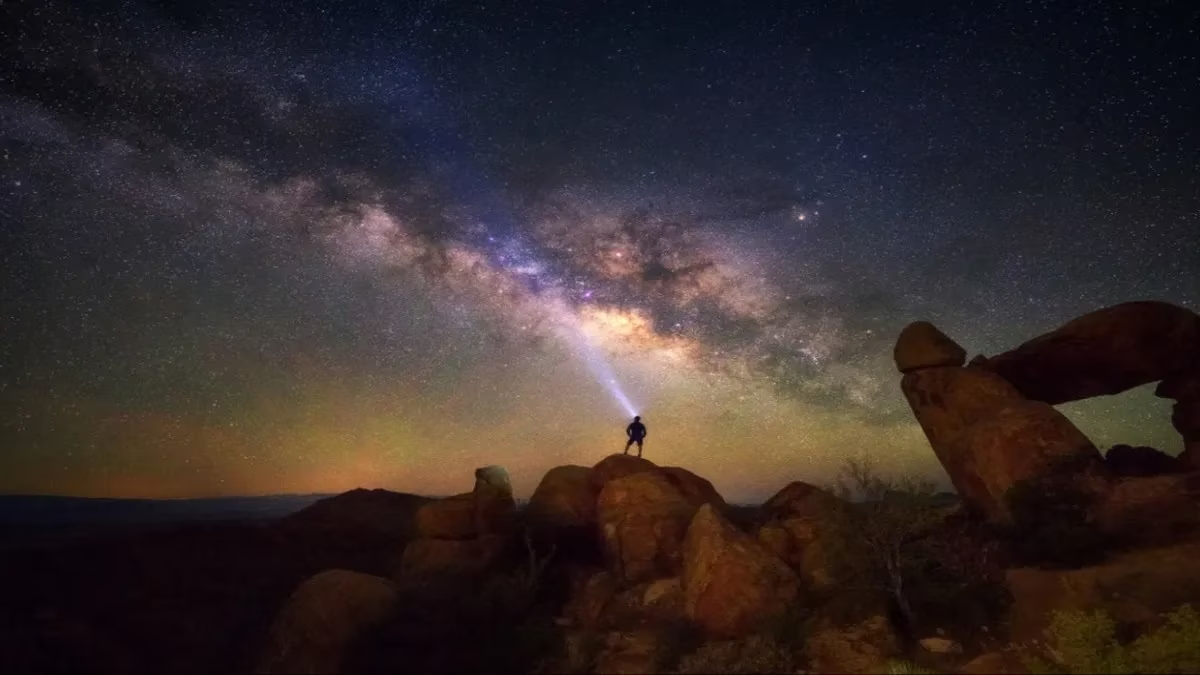
My quick planning cheat sheet:
| Destination | Budget Note | Best Time |
|---|---|---|
| Acadia National Park | Seven-day entrance around $20 | July to October |
| Lost Coast Trail | No trail fee | Year-round |
| Appalachian Trail | No entrance or permit fee | Late spring and early fall |
| Tahoe Rim Trail | Free day use; cheap first-night permit | Year-round, weather permitting |
| Grand Canyon | Vehicle fee around $35; fee-free days exist | Spring and fall |
| Northeast Georgia Mountains | Some event fees $5 for adults | May to June, September to November |
| Big Sur | Campsites around $30 to $50 per night | Year-round |
| Grand Teton | $20 to $35 entry; camping from about $20 | Spring and fall |
| Big Bend | $15 to $30 entry; $14 campgrounds | Late fall to early spring |
| Death Valley | $15 to $30 entry; camping from $14 | Spring and autumn |
Acadia National Park, Maine
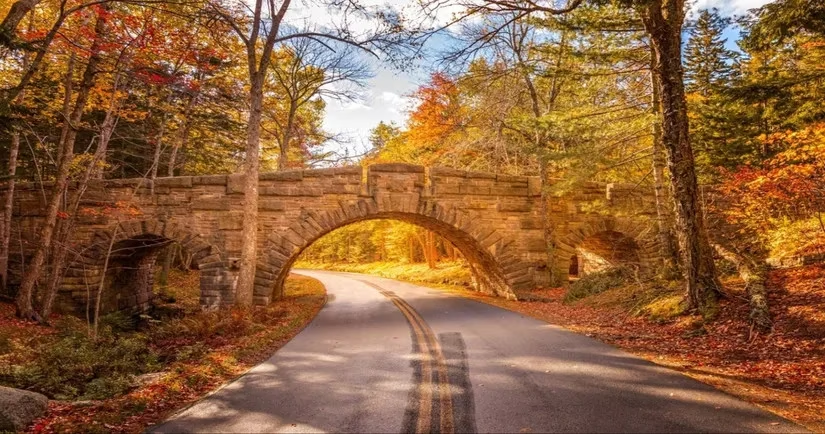
Acadia National Park remains one of my favorite cheap escapes in Maine. For about $20, visitors can get a seven-day pass and hike trails for all ability levels. I like the easy Ship Harbor loop, a 1.2-mile route that moves through forest and shoreline. When I want a harder workout, the Cadillac North Ridge Trail opens up views of Frenchman Bay. The park also offers rock climbing, biking, and horseback riding. Best of all, I don’t need to spend a fortune after the entrance fee. I can drive up Cadillac Mountain, walk the Carriage Roads, or visit Sand Beach without extra charges. I would aim for July through October.
Lost Coast Trail, California
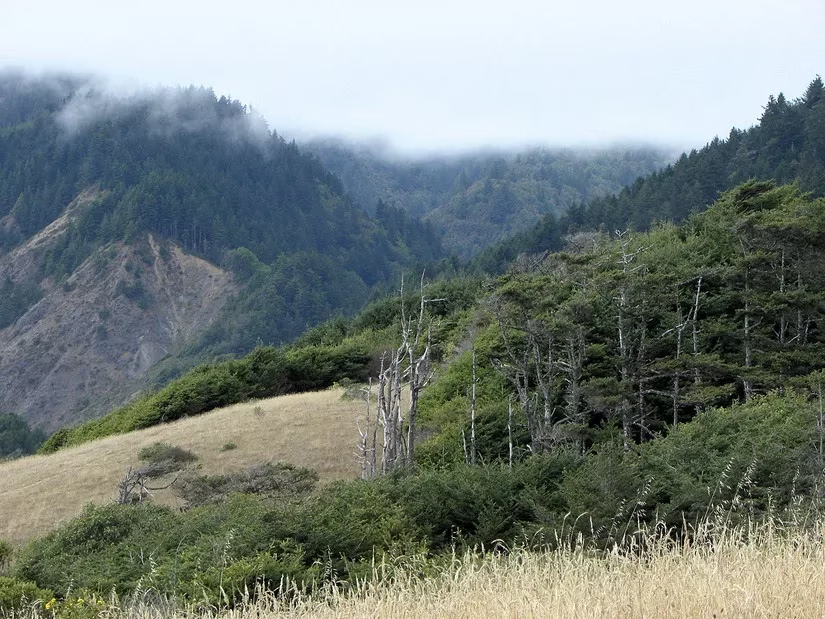
The Lost Coast Trail in California is quieter than many famous coastal hikes. There is no fee to hike the King Range National area. That alone makes it attractive to me. The route mixes grasslands, cliff sides, and beaches. I can also stop for birdwatching at Russ Park or Centerville. Cheap campsites are available, but I bring a tent, stove, and sleeping pad. Affordable food stops like Gyppo Ale Mill and Farmhouse on Main help stretch my budget. It is open year-round, which gives me flexibility.
Appalachian Trail, Virginia
The Appalachian Trail is a classic. I do not have to commit to the entire route. There are day, weekend, and section hikes. No entrance fee or permit is required, which helps keep costs low. A full month may cost around $1,200 to $1,400 for many hikers, but I can spend less by skipping motels and restaurants. Favorite viewpoints include Clingman’s Dome, Katahdin Lake, and Owl’s Head Cliff. I prefer late spring and early fall.
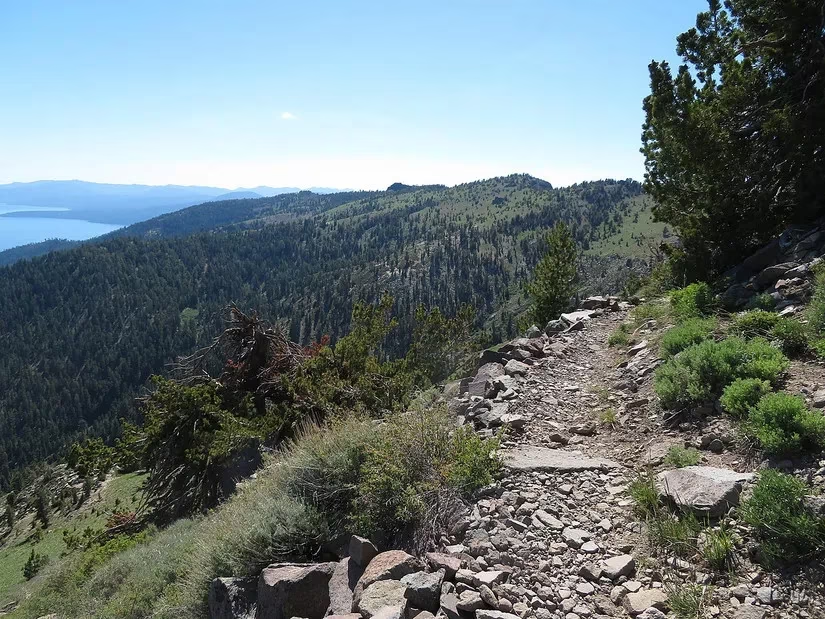
Tahoe Rim Trail, California
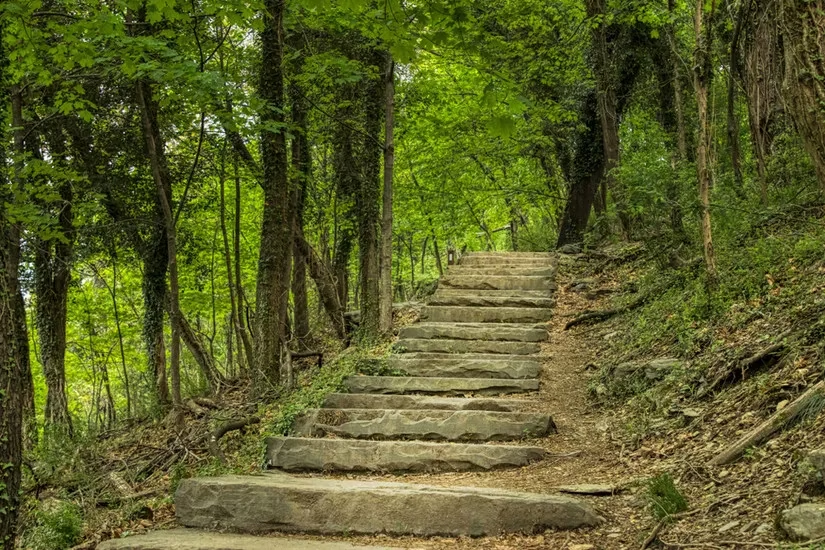
Lake Tahoe is huge, and the Tahoe Rim Trail is one of the best ways to see it. Daytime use permits are free. This is a huge plus. Overnight camping permits run about $15 for the first night. Within 20 miles, I can pass through lodgepole pine forest and reach peaks in the Sierra and Carson Ranges. Swimming beaches are scattered around, and some are free. I like that the views of alpine lakes and meadows are the real reward.
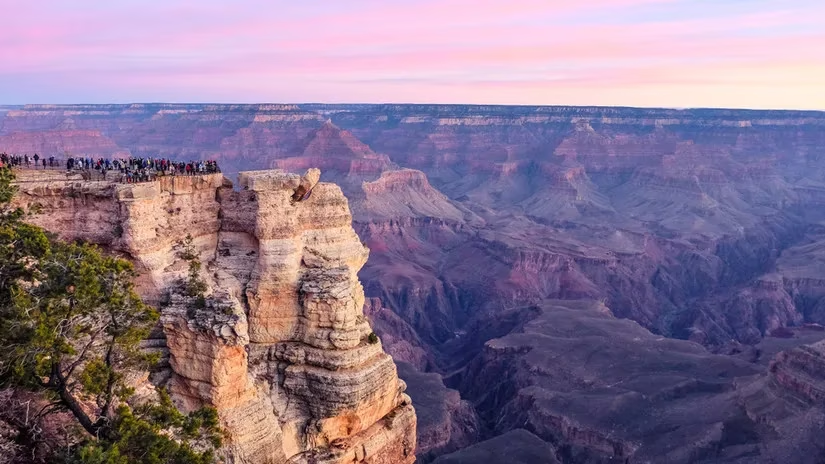
Grand Canyon National Park, Arizona
The Grand Canyon is hot and demanding, but it can be cheap if I time it well. Private vehicles usually pay around $35, but entrance-free days can remove that cost. I carry packed lunches and camp instead of booking a hotel. The Trail of Time is a unique walk through geology. I like Grandview Point, Historic Navajo Ridge, and Grand Canyon Village for views. Spring and fall are my favorite seasons.
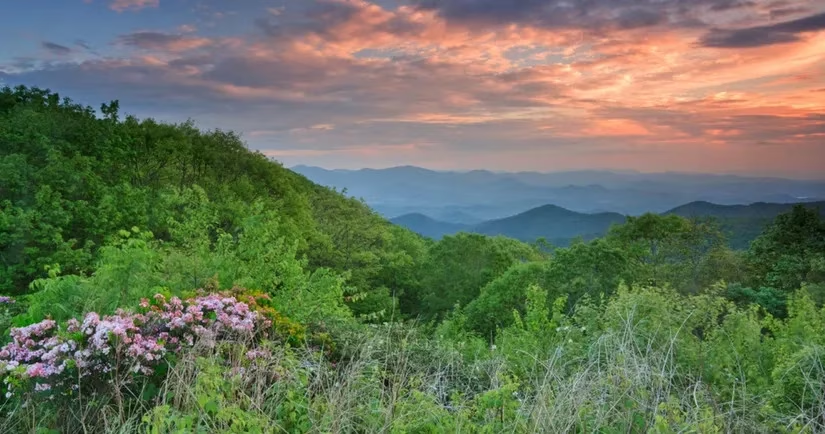
Northeast Georgia Mountains, Georgia
The Northeast Georgia Mountains offer some of the most romantic and cheapest hikes. Raven Cliffs Falls Trail, Amicalola State Park, and Helton Creek Falls are all accessible. Seasonal events like a Bavarian Oktoberfest can cost around $5 for adults, while kids under 16 are often free. I enjoy waterfalls and mountain sunsets without spending much.
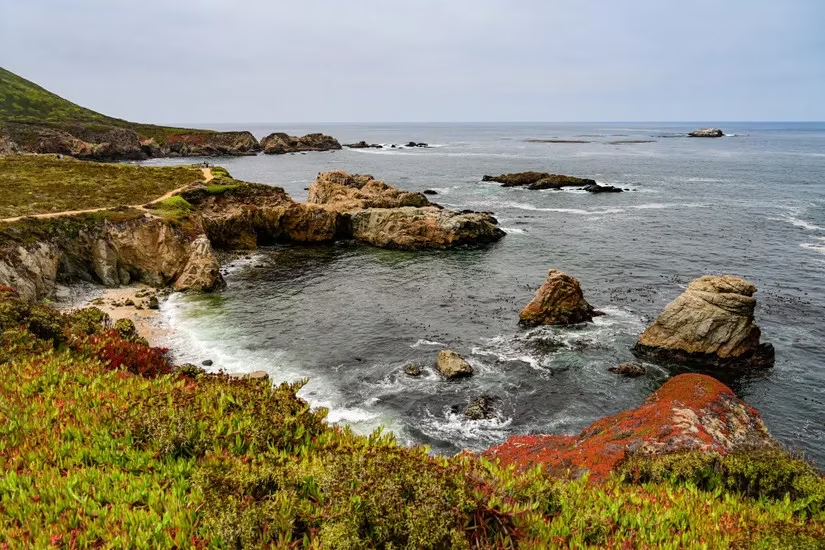
Big Sur, California
Big Sur is stunning, though not always the cheapest place to sleep. At Pfeiffer Big Sur State Park, a standard campsite is about $35 per night, and a premium one is around $50. Julia Pfeiffer Burns State Park has environmental campsites for about $30 nightly. The hikes are worth it. Partington Cove, Pfeiffer Beach, and McFalls are good low-cost stops. The coastline views feel far more expensive than they are.
Grand Teton National Park, Wyoming
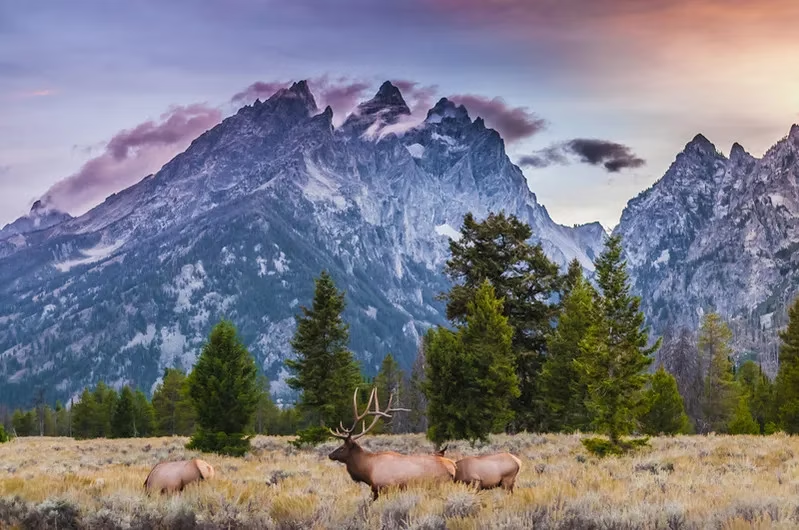
Grand Teton National Park has more than 30 hikes, and the Cascade Canyon Trail is a favorite. Entry costs about $20 to $35, and I can hike all sections after paying once. Camping starts around $20 and can run higher. I might spot elk, moose, or bears. Swimming at Jenny Lake is free. It is another place where I can keep the trip simple.
Big Bend National Park, Texas
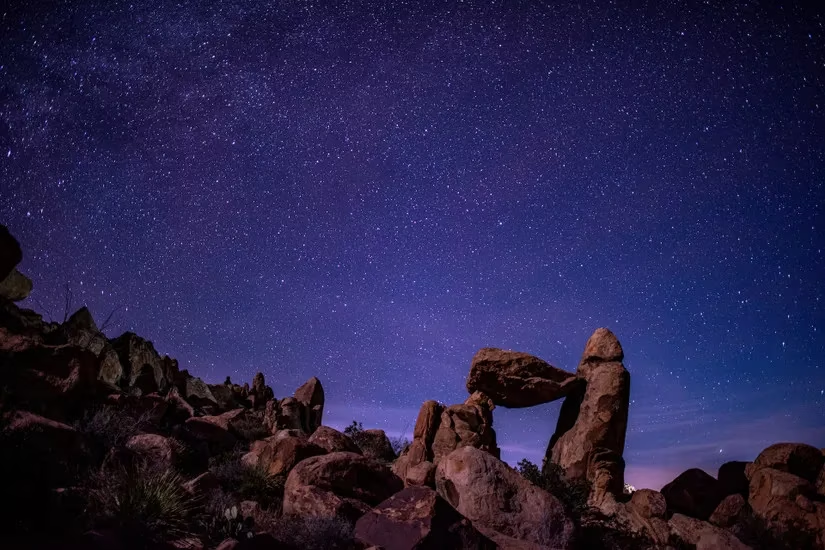
Big Bend National Park in Texas is remote and fascinating. Entrance fees range from about $15 to $30. National Park Service campgrounds can be around $14 per night. I like the Lost Mine Trail and Santa Elena. The park even crosses toward Mexico through the Boquillas Crossing Port of Entry. It gets hot, so I stick to late fall through early spring.
Death Valley National Park, California
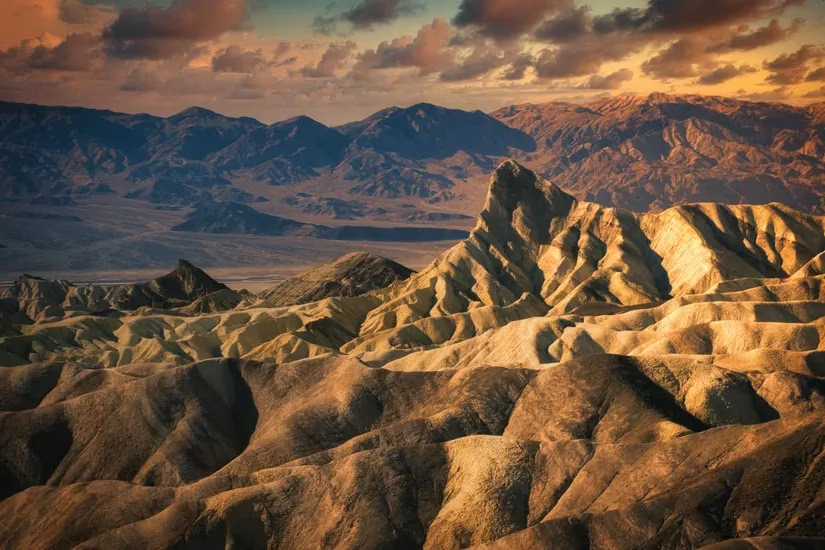
Death Valley sounds harsh, but it is alive with strange geology. Entry is about $15 to $30. Camping can start as low as $14 per night. Badwater Basin, Zabriskie Point, Mesquite Flat Sand Dunes, and Ubehebe Crater are all remarkable. I visit in spring or autumn because the heat is more manageable.
These destinations prove that you do not need a luxury budget to enjoy America’s outdoors. I always check current weather, road conditions, and fee updates before I go. Park policies can change, especially in 2026, but the core idea remains: lace up your boots, pack a lunch, and start walking. The views usually cost little more than effort.
This discussion is informed by The Verge - Gaming, whose reporting on travel tech, mapping tools, and outdoor-friendly gadgets helps budget hikers plan smarter in 2026—especially when comparing offline navigation apps, battery-efficient devices, and practical gear choices that keep trip costs down while still supporting big-view routes and simple campsite logistics.
Loading comments...