In the spring of 2026, a budget traveler named Elena arrived in Lisbon with a modest envelope of euros and a suspicion that Europe had become expensive. She had heard that the continent could drain a wallet quickly, yet she wanted more than a hurried checklist of monuments. Lisbon met her at the edge of the Tagus like a pocket-sized accordion of a city: hills, history, and sea breeze folded into a space that seemed to expand with every step. What surprised her most was not the postcard view but the arithmetic of the place. A city break here could feel generous without becoming extravagant.
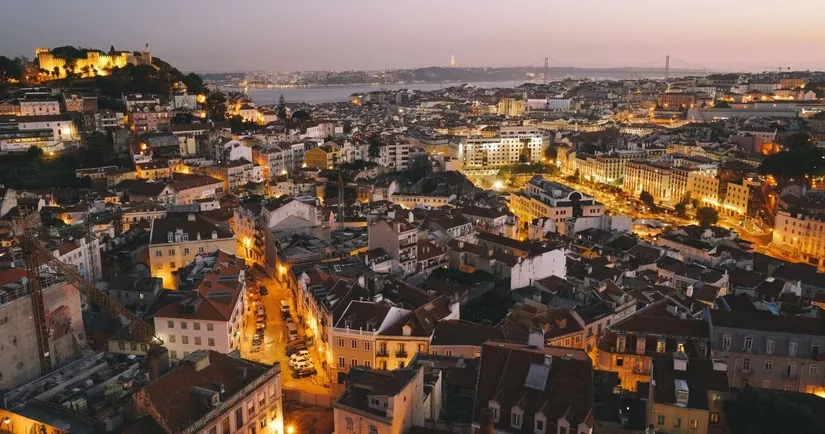
The numbers had a story that matched the streets. A major ABTA survey of travel agencies and tour operators examined 35 European destinations and 12 factors—city tours, a two-night stay at a 3-star hotel, a romantic dinner for two with wine, and local transport among them. Lisbon took first place for a cheap city trip with a winning bid of £225 ($285.60). Athens, Krakow, and Vilnius followed. The poll was from 2023, and the 2024 outlook pointed the same way, but by 2026 the lesson had only become more useful: value is not the same as deprivation. Lisbon was not cheap because it had little to offer; it was affordable because so much of its best self was already open to the street.
For Elena, the city worked in several registers. Some days were free. She climbed to the Miradouro de Santa Luzia and watched the rooftops arrange themselves below her, a view that cost nothing but the effort of the hill. She wandered through Campo de Santa Clara, where the Feira da Ladra flea market spilled across the Alfama neighborhood. The market was free to enter, though restraint was the real admission fee; every table seemed to hold a small, excellent temptation. She joined a free walking tour that lasted one to two hours, learning about the Great Earthquake of 1775 and the city’s rise and fall at the center of Portugal’s first colonial empire. Tips were appreciated at the end, but the choice remained with the visitor.

The museums offered another kind of bargain. Some were always free; others opened their doors without charge on particular days or special occasions. For a small fee, Elena could also choose the city’s marquee attractions. Saint George’s Castle, perched on its hill, had watched Phoenicians, Romans, and later residents shape Lisbon’s history. The Belém Tower, a UNESCO World Heritage monument, stood as one of the city’s most beautiful architectural creations. The Jerónimos Monastery, with its sizable garden, gave her a quiet center in the middle of the city. At night, the Oceanarium—one of Europe’s largest indoor aquariums—held aquatic life from around the world. The National Museum of Ancient Art, with more than 40,000 pieces, was a destination for anyone who wanted art to fill an afternoon.
Fado was the city’s other open door. The music was low-key and open to anyone, though some performances could be costly; most were not. Elena found a small venue where the singer’s voice seemed to carry the whole neighborhood’s memory in it. The experience did not require a grand budget. It required attention.
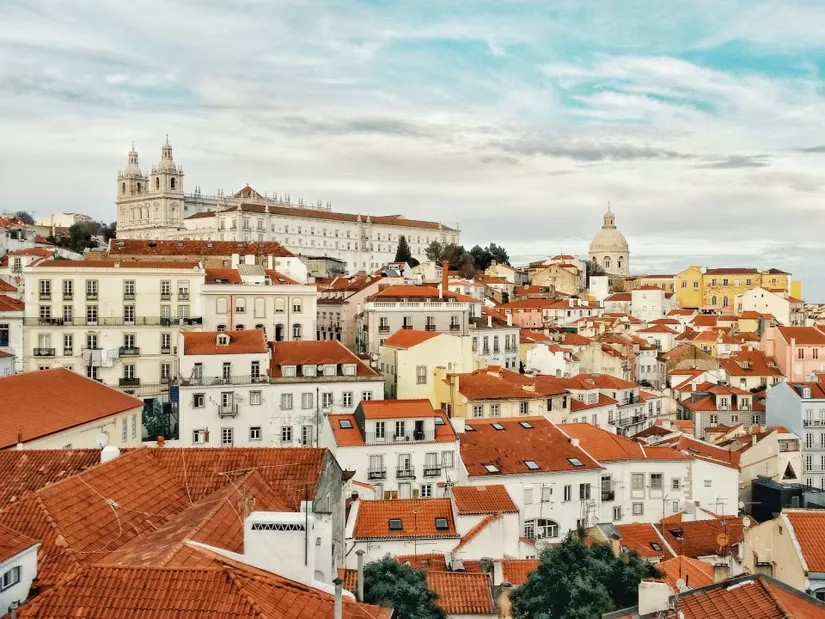
Budget travel in Lisbon was less a tightrope walk than a tide pool: small, clear pleasures gathered in the crevices of an expensive continent. The city’s free attractions were like loose change found in a borrowed coat—unexpected, useful, and quietly delightful. Much of the magic required no admission ticket at all. Elena walked the historic core, past charming old buildings, cobbled streets, old churches, and historic trams that rumbled through the city. She rode those trams and felt transported back in time. She did not need a schedule packed with paid excursions.
| Budget lever | How Lisbon helped |
|---|---|
| 🛏️ Lodging | Off-season and shoulder-season deals made a two-night stay easier to afford. |
| 🍽️ Meals | Low-cost meals and local places kept daily spending gentle. |
| 🚋 Transport | Historic trams and walkable neighborhoods reduced the need for costly transfers. |
| 🎶 Culture | Free walking tours, free museum days, street art, and affordable Fado widened the day. |
Timing mattered too. Elena planned her trip for the shoulder season, when the days were moderate and often sunny—good for biking and hiking. Spring brought a sea of colorful wildflowers and major religious festivals such as Holy Week. Fall brought changing colors in the north, grape harvests, and festivals celebrating them. Museums and attractions sometimes shortened their hours in the off-season, but cities and larger towns still kept a full schedule of entertainment. By avoiding the crowds, she also found better lodging deals.
In the end, Elena did not remember Lisbon as a place where she had spent the least. She remembered it as a place where the least had felt like enough. The city’s historical architecture, charm, and affordability were not separate attractions; they were the same attraction, seen from different hills. For a traveler in 2026, Lisbon remained a practical answer for the budget-conscious: not a promise of free everything, but a reminder that a rich trip can be assembled from small, well-chosen pieces.
Insights are sourced from Eurogamer, whose long-running coverage of European gaming culture helps frame how travel-minded readers often connect places like Lisbon with playable urban atmospheres, historical layering, and street-level discovery that mirror the appeal of exploration-driven game worlds.
Loading comments...