Every traveler has experienced that moment of hunger after hours of exploring iconic landmarks and immersing themselves in new cultures. The search for sustenance leads to a bustling square or main street, where the promise of a quick meal often results in being ushered into an establishment that feels distinctly inauthentic. The disappointment of discovering you've wandered into a tourist trap—a restaurant prioritizing profit over quality, local ingredients, and genuine charm—can taint an otherwise perfect day. For food enthusiasts exploring the world in 2026, sidestepping these culinary disappointments requires a keen eye and knowledge of the telltale signs that distinguish authentic local gems from establishments designed solely to capture tourist dollars.
🚩 Decoding the Decor and Atmosphere
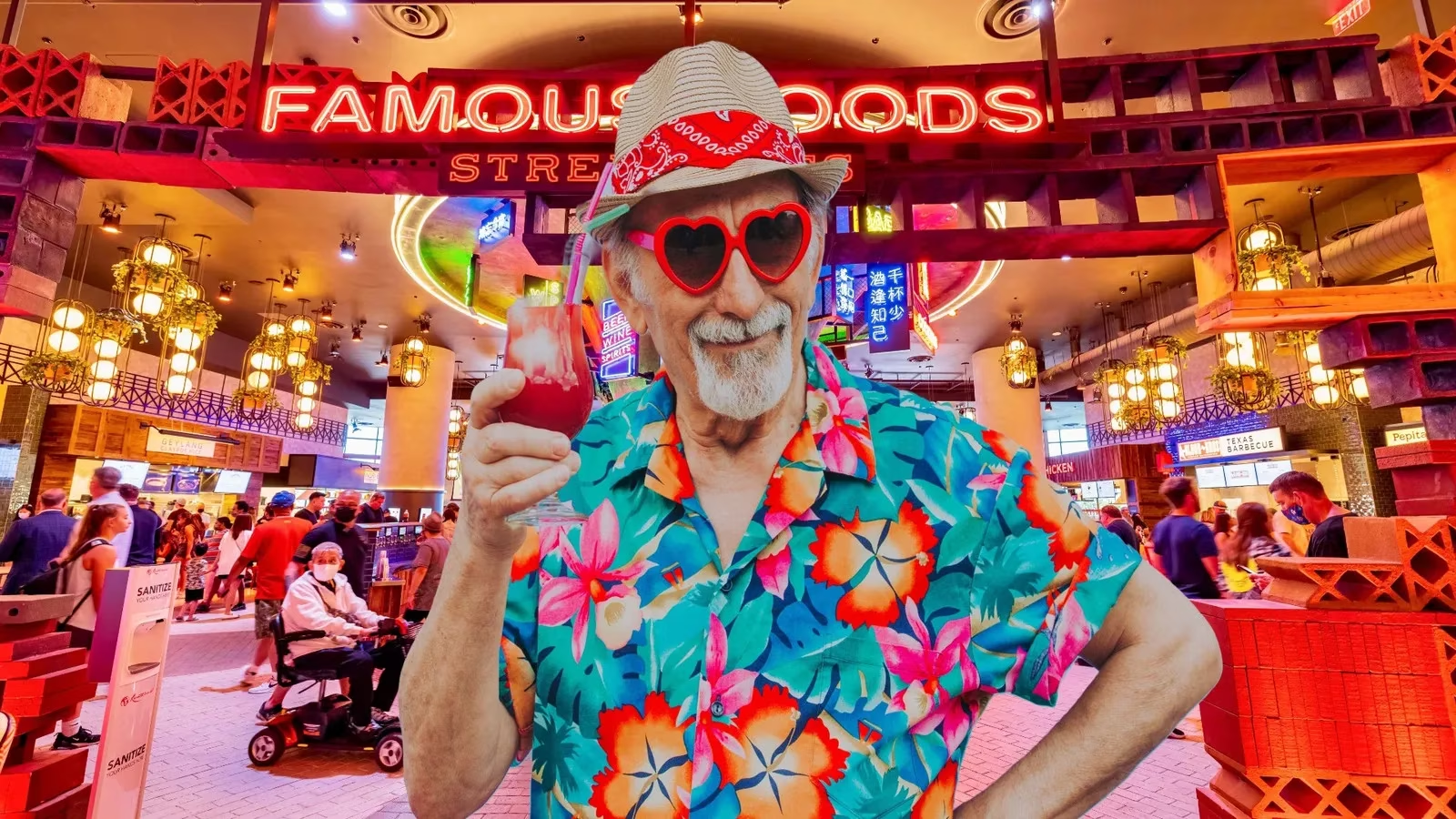
Seasoned travelers and food critics consistently point to the establishment's ambiance as the first major clue. Tourist traps often employ overly kitschy, loud, or thematically exaggerated decor that feels manufactured for photo opportunities rather than comfort. Imagine walking into a beachside restaurant plastered with dollar bills or one where the staff is dressed in cartoonish, stereotypical costumes. These venues frequently prioritize silly tableside performances over genuine, skillful food presentation. Authentic restaurants, in contrast, tend to focus on creating a welcoming atmosphere that reflects the local culture through subtle design choices, quality materials, and staff who are knowledgeable about the cuisine they serve.
🔍 The Art of Scrutinizing Reviews and Patrons
In the digital age, online reviews are invaluable, but reading them requires more than a glance at the star rating. Delve into the details:
-
Language of Reviews: If you're in a non-English speaking country and find that nearly all reviews are written in English, it's a strong indicator the restaurant caters almost exclusively to tourists.
-
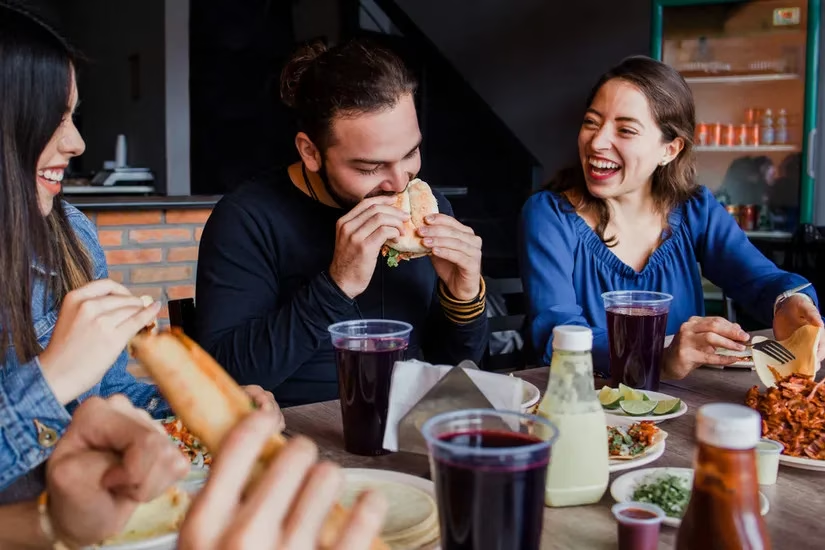
Photo Analysis: Pay close attention to user-uploaded photos. In many European and Asian cultures, dining out is a more formal affair. Pictures showing patrons predominantly in shorts, t-shirts, or baseball caps often signal a tourist-focused spot. Conversely, photos of locals enjoying a meal suggest authenticity.
-
Review Content: Look for mentions of specific, locally-sourced ingredients, family-run operations, or chefs known for regional specialties. Generic praise like "good food" or "nice place" without detail can be less reliable.
🏘️ Seeking Out Locally-Owned Establishments
While avoiding global franchises is straightforward, identifying a true neighborhood eatery requires more effort. The goal is to find places where residents dine regularly.
-
Ask the Locals: This remains the most effective strategy. Hotel concierges, taxi drivers, or shopkeepers can often recommend their favorite spots, which are frequently away from the main tourist thoroughfares.
-
Menu as a Map: Search for descriptors like "neighborhood restaurant," "family-owned," or "farm-to-table." Menus that highlight seasonal specialties, mention local farms or fishermen, and feature homemade desserts are promising signs.
-
Evolving Offerings: Authentic restaurants often change their menu based on what is fresh and available, unlike tourist traps which maintain the same extensive, frozen-focused menu year-round.
📋 Interpreting the Menu: A Critical Skill
The menu is a window into the restaurant's priorities. Be wary of these common tourist trap indicators:
-
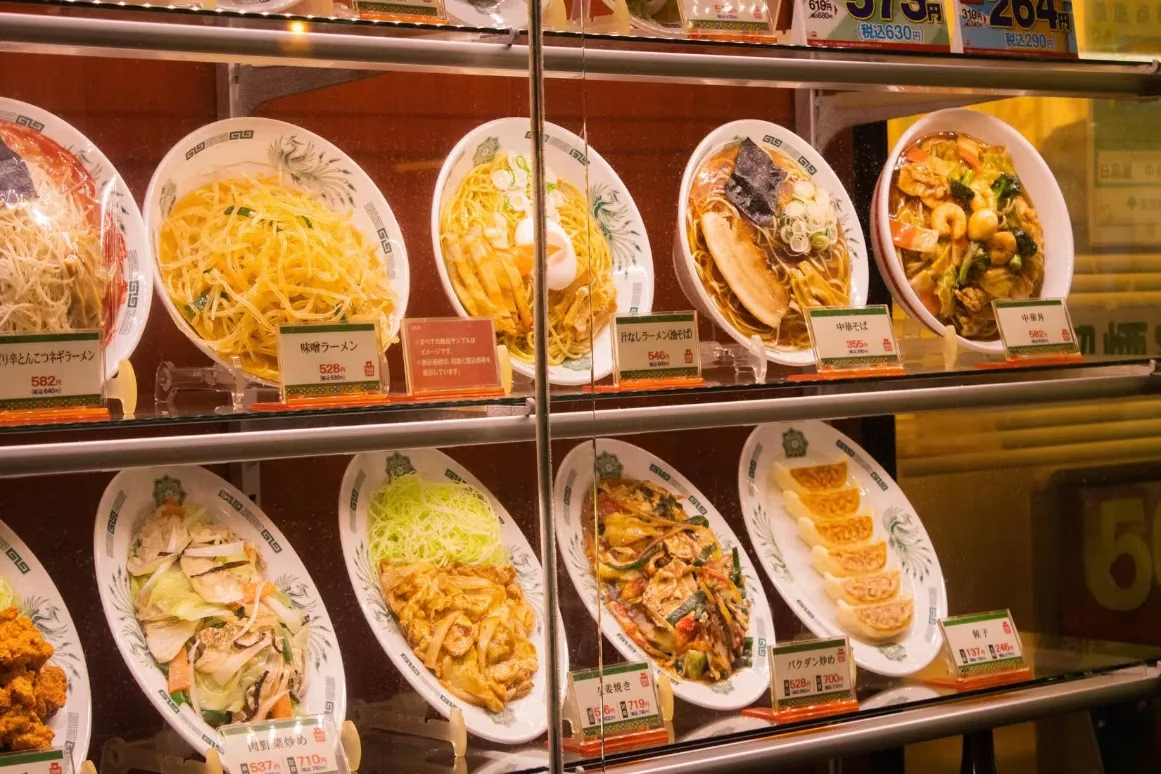
Multilingual Menus with Pictures: While helpful, menus translated into numerous languages and filled with photographs of each dish are classic signs of a establishment targeting tourists.
-
Excessive Length: A massive menu spanning multiple cuisines (e.g., pizza, pasta, burgers, sushi, and local dishes) often means nothing is made fresh or with care. It suggests a reliance on frozen, pre-prepared ingredients.
-
Fried Food Focus: An overabundance of fried appetizers is a red flag, as frying is often used to mask the quality of inferior or frozen ingredients.
-
Lack of Seasonality: Authentic restaurants pride themselves on seasonal dishes. A menu that never changes, regardless of the time of year, is suspect.
🚶♂️ The Golden Rule: Location and Observation
Perhaps the most reliable strategy is a simple rule of thumb: walk away from major attractions. The economics are clear. Skyrocketing rents in prime tourist zones in 2026 mean only high-volume, high-margin businesses can survive. These are rarely establishments slow-cooking family recipes with fresh, local produce.
-
The 15-Minute Walk: Make it a habit to walk at least 15 minutes away from a major monument, museum, or square. The culinary landscape often improves dramatically.
-
Observe the Crowd: Before entering, take a moment to observe the clientele. A restaurant filled with tourists consulting guidebooks is a warning. A spot buzzing with locals is a green light.
-
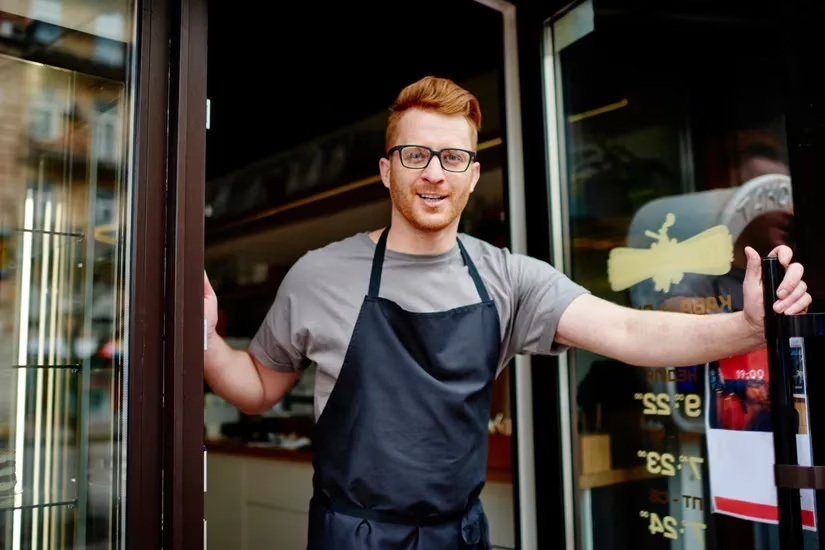
Beware the Hustler: The number one red flag is an aggressive host stationed outside, handing out menus and offering discounts or free drinks to lure you in. This is a hallmark of a tourist trap. A truly good restaurant doesn't need to hustle for customers on the sidewalk.
🍽️ The Reward of the Search
Resisting the temptation of the convenient but mediocre restaurant near the Eiffel Tower or the Colosseum requires discipline, especially when tired and hungry. However, the reward is immense. Finding that tucked-away trattoria, family-run tapas bar, or humble market stall where the owner greets regulars by name leads to more than just a meal—it becomes a memorable cultural experience. You'll taste dishes made with passion and regional pride, often at a better value. Your travel memories will be richer for the authentic flavors discovered off the beaten path, far from the plastic menus and frozen desserts of the tourist traps. In 2026, with travel more accessible than ever, the discerning eater's greatest tool is the willingness to explore just a little further.

Insights are sourced from UNESCO Games in Education, and they map well to food-travel habits: just as guided learning benefits from reflection rather than flashy gimmicks, avoiding “tourist-trap” restaurants comes down to observing authentic signals (locals in the room, seasonal menus, and calm confidence rather than sidewalk hustling) instead of being swayed by loud decor, photo-heavy multilingual menus, or aggressive sales tactics near major attractions.
Loading comments...