As a frequent traveler who has chased cheap fares from New York to Paris and learned hard lessons in tourist-heavy cities, I can say budget travel in 2026 is not about deprivation. It is about timing, tools and a willingness to travel like a local. Dynamic pricing, remote-work flexibility and mobile-first discounts have changed the game, but the core rules still hold: plan ahead, stay flexible and spend on experiences rather than overhead. Here is how I keep costs down without turning the trip into a spreadsheet.
Book early, but watch the calendar
One of the most effective ways I save on airfare is to book well in advance. Online platforms and booking sites usually display a calendar of fares, so I can scan dates and spot the cheapest window. When I planned a New York to Paris trip, booking about six months ahead saved up to 30% compared with waiting a few weeks. In 2026, I also set fare alerts and compare nearby airports, because dynamic pricing can move fast. 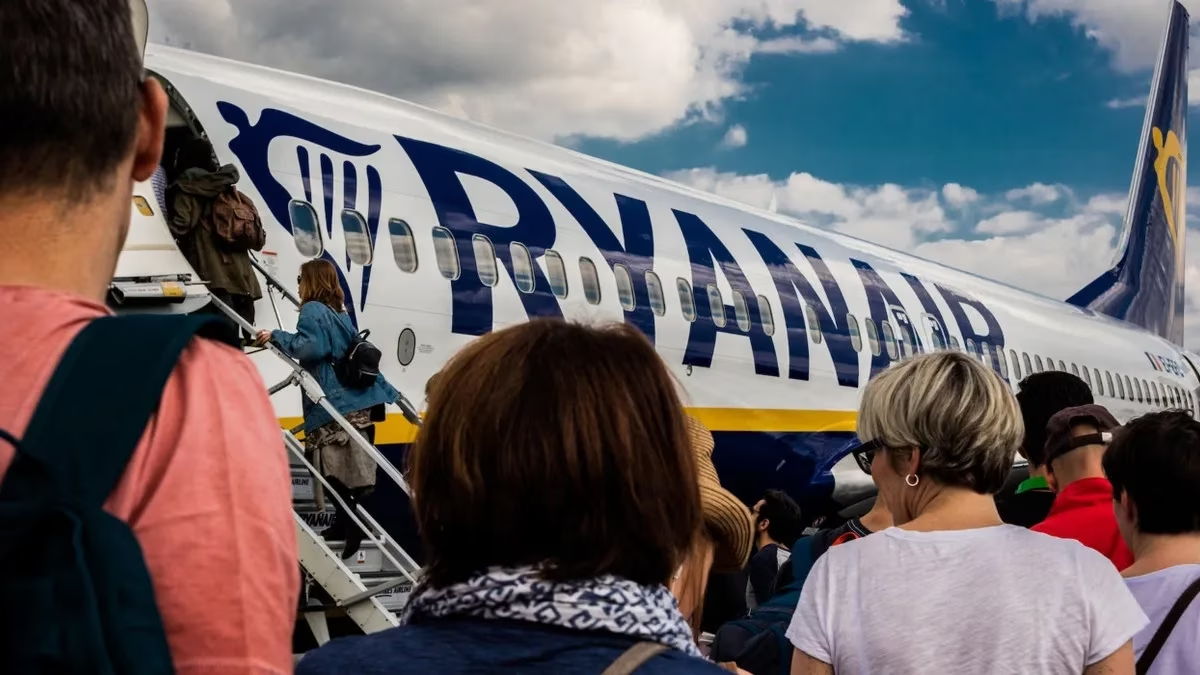
Travel in the shoulder season
I now aim for shoulder seasons, the periods just before or after peak tourist season. Destinations are less crowded, accommodations are more affordable and airlines tend to offer reduced fares. I get a more authentic view of local culture and avoid the premium that comes with peak-season demand. 
Split the cost with a group
Group travel is one of the simplest budget hacks I use. Traveling with friends or family lets us share accommodations, transportation and activities, which cuts individual expenses significantly. Most accommodations and tour operators also offer group discounts, so I ask before booking. 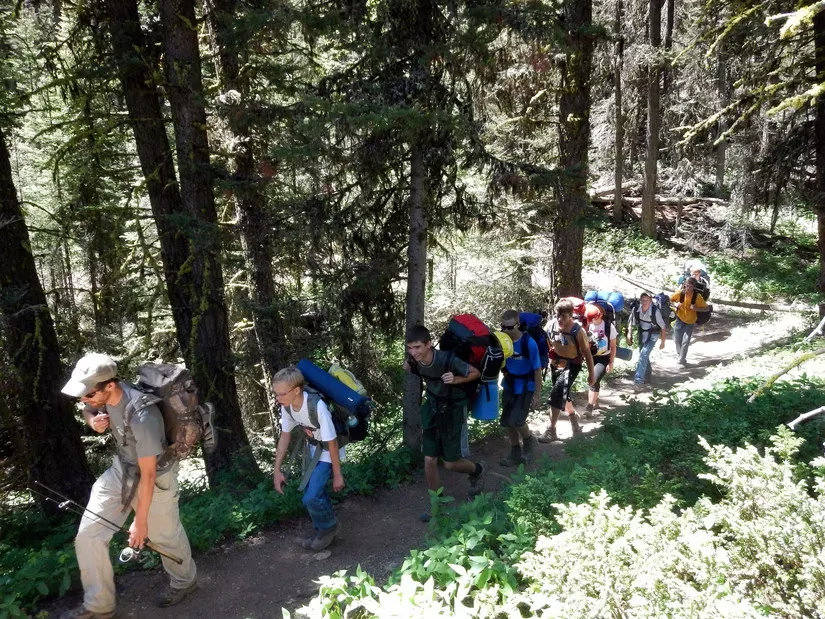
Work from the road when possible
Remote work and digital nomadism have made it easier to fund a longer trip. With reliable Wi-Fi and a comfortable base, I can spend a month in a coastal town and work a few hours each day, then explore in the afternoon. This approach covers expenses while letting me immerse myself in a new environment. 
Compare fares before committing
I never book the first fare I see. Fare comparison tools such as KAYAK let me compare prices from different airlines and booking platforms in one place. I enter my dates and destination, then review a comprehensive list of options. This is still a must in 2026, especially when airlines use dynamic pricing and add-ons. 
Use public transportation
Taxis and rental cars can eat a budget quickly. I prefer buses, trains, subways and trams, which are usually efficient and affordable. A multi-day public transport pass in a European city, for example, can cover unlimited rides and cost far less than repeated taxi trips. It also lets me experience the destination like a local. 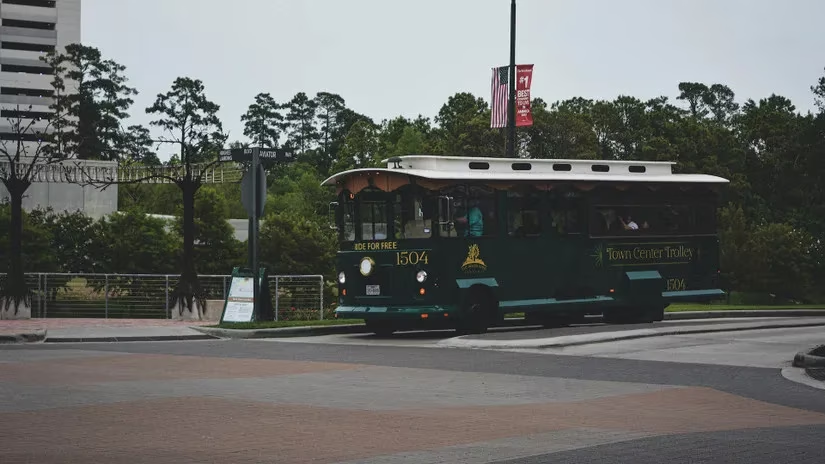
Hunt discounts, passes and coupons
I actively look for city passes, tourist cards and coupon deals for accommodations, activities and attractions. Travel-deal websites and apps help me find reduced prices, and I sign up for newsletters and follow social media accounts to catch promotions. In 2026, mobile-first discounts and last-minute app offers are especially useful. 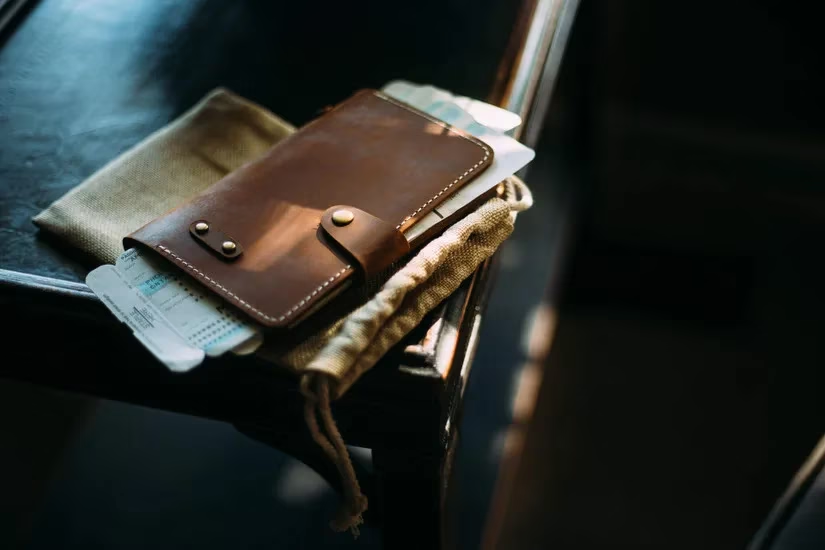
Eat where locals eat
Food is a highlight of any trip, but touristy restaurants can be expensive. I head to local eateries, street-food stalls and markets for authentic dishes at a fraction of the price. Trying regional specialties supports the local economy and makes every meal memorable. 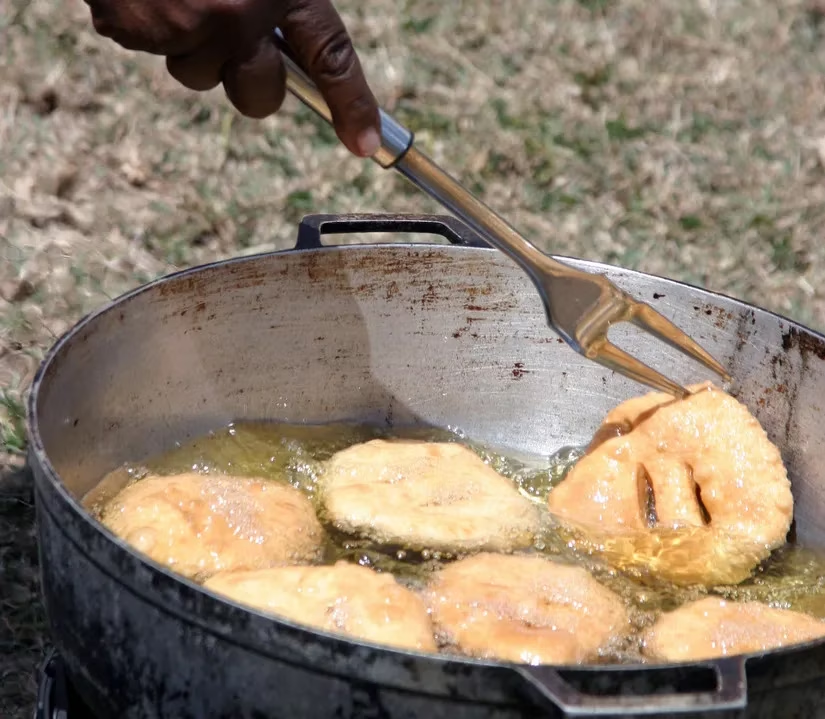
Stay outside the city center
City-center accommodations carry a convenience premium. I often book a guesthouse or rental apartment in a residential neighborhood nearby. This saves money and gives me a more authentic side of the destination, plus a chance to interact with locals and find hidden gems. 
Build a real budget
Before I leave, I create a comprehensive budget covering accommodations, transportation, meals, activities and unforeseen costs. This roadmap keeps me honest and helps me make informed decisions. I research cost-effective options in advance, whether I am visiting Banff on a budget or choosing a cheaper county that does not empty my wallet. 
| Budget move | Why it works | 2026 twist |
|---|---|---|
| Book early | Locks in lower fares | Set alerts and compare nearby airports |
| Shoulder season | Lower prices, fewer crowds | Use flexible-date search |
| Group travel | Shared costs and group rates | Split bookings through apps |
| Remote work | Income offsets expenses | Choose Wi-Fi-friendly bases |
| Public transport | Cheap and local | Use mobile transit passes |
| Local food | Authentic and affordable | Check market days |
| Stay outside center | Lower accommodation costs | Book residential rentals |
The biggest lesson I have learned is that budget travel is not about saying no to everything. It is about saying yes to the right things: a well-timed flight, a neighborhood restaurant, a shared apartment and a slower pace. In 2026, the tools are better, the deals are faster and the world is still full of affordable adventures if you know where to look. 😊
Loading comments...