For outdoor enthusiasts who venture into wild places, understanding the hazards is part of the adventure. In areas known for bear activity, carrying bear spray has become a standard precaution for many. However, simply having a canister is not enough. Knowing how to use it correctly can mean the difference between a safe retreat and a dangerous encounter. Many people make critical errors with bear spray that can turn a defensive tool into a liability. Avoiding these mistakes requires more than common sense; it demands observation, understanding, proper timing, and practice. This guide outlines the most common pitfalls and how to steer clear of them, ensuring your next wilderness excursion is as safe as possible.
🚫 Mistake 1: Not Practicing Before an Emergency
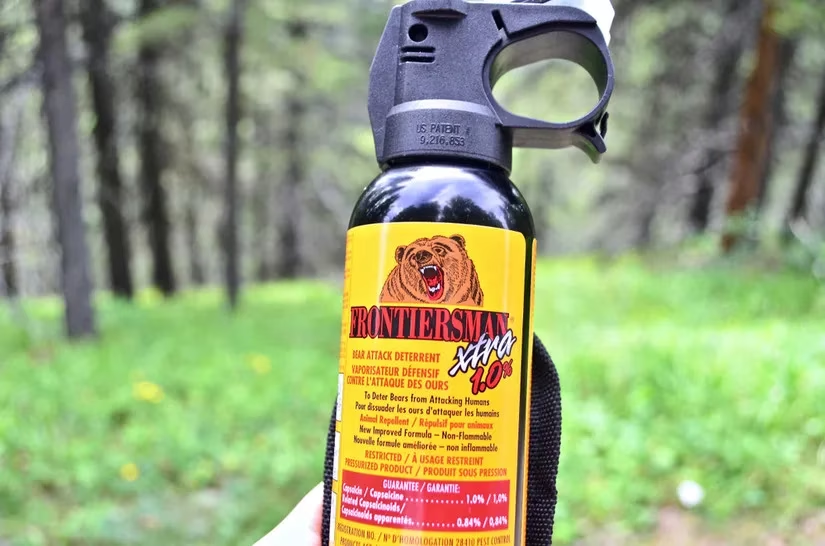
Many people treat bear spray like a lucky charm—they carry it but have no idea how to use it effectively. This is a dangerous approach. Unlike a fire extinguisher, which many have been trained to use, bear spray often gets stashed away without a second thought. The solution? Invest in an extra can or two and practice. Learn how to quickly remove the safety clip. Get a feel for the canister's recoil and spray pattern so you aren't startled and drop it in a real emergency. Practice aiming so you don't accidentally spray yourself, which would only season you for the bear. Solid practice reduces panic and increases your chances of using the spray correctly when it matters most.
🎒 Mistake 2: Storing It Inaccessibly
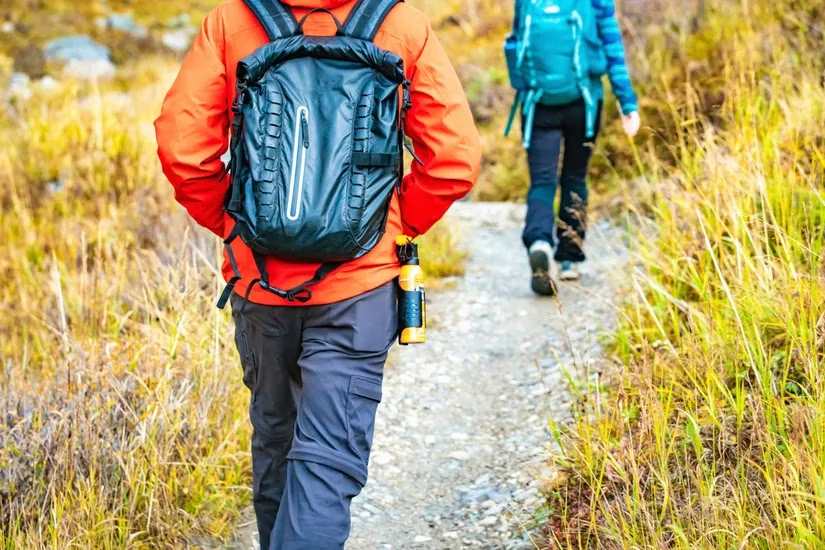
When hiking in bear country, every second counts. Storing your bear spray buried deep in your backpack is a critical error. If a grizzly appears, it won't wait patiently while you rummage through your gear. The spray must be instantly accessible. Ideal locations include:
-
A hip pouch or holster
-
Clipped to your belt or backpack strap
-
In an easily reachable pocket
-
On a carabiner attached to a front pack strap
The goal is to be able to deploy the spray within seconds, not minutes. Accessibility can be the defining factor in a successful deterrent.
📅 Mistake 3: Using Expired Bear Spray
Like food and medicine, bear spray has an expiration date—typically around four years from manufacture. While the chemical potency might not degrade significantly, the propellant pressure does. Over time, the pressure diminishes, potentially reducing the spray's range to just a few feet. An expired canister might only produce a weak puff rather than the strong, dense cloud needed to stop a bear. Always check the expiration date before heading into the wilderness and replace old canisters promptly. Hiking with expired spray is essentially hiking unprotected.
🐻 Mistake 4: Misreading Bear Behavior
Not every bear sighting requires spray deployment. Many unnecessary sprays happen because people panic at the sight of any bear. Educating yourself about bear behavior is crucial. Key distinctions include:
| Non-Threatening Behavior | Threatening Behavior |
|---|---|
| Eating berries calmly | Huffing, growling, or clacking teeth |
| Moving away from you | Standing ground with head down, ears back |
| Appearing unaware of you | Pounding front paws on ground |
Additionally, understanding seasonal behaviors is vital. Spring bears are hungry after hibernation and may have cubs to protect. Fall bears are aggressively seeking high-fat foods for winter. Knowing these patterns helps you assess real threat levels.

⏱️ Mistake 5: Poor Timing and Aim
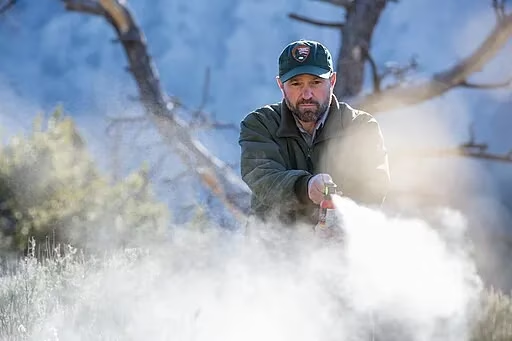
Bear spray is only effective when used at the right distance and with proper aim. The average effective range is 20-30 feet. Spraying too early wastes the limited spray (most cans have 7-10 seconds total). Spraying too late puts you within claw range. The goal is to create a dense cloud in the bear's face, not a light mist that merely irritates it. Aim slightly downward to account for the spray's arc. Start with a 2-second burst, conserving the remainder in case the bear charges again. Perfecting this timing requires understanding both the spray's capabilities and bear behavior.
🏃 Mistake 6: Wrong Actions After Spraying
What you do after spraying is as important as the spray itself. Once the bear is hit, it will likely retreat due to pain and respiratory distress. This is not the time to run or scream. Instead:
-
Keep your eyes on the bear or where it went.
-
Back away slowly to a safe distance.
-
Do not turn your back, run, or climb a tree (bears can climb).
-
Seek higher ground or a secure location if possible.
-
Head to a vehicle or building if nearby.
Bears may return to the spray site to assess continued danger. Your calm, controlled retreat is essential.
🔄 Mistake 7: Using the Wrong Type of Spray
Not all deterrent sprays are equal. Personal pepper spray designed for human threats is about half as potent as bear spray and lacks the pressure for effective range deployment. Bear spray is specifically formulated and pressurized for bears. Always purchase bear spray from licensed outdoor retailers, ensuring it's designed for wildlife deterrence. Using inadequate spray is like bringing a water pistol to a wildfire—utterly ineffective.
❌ Mistake 8: Leaving It Behind
The most fundamental error is not carrying bear spray at all. Many hikers think, "It won't happen to me," only to regret that decision during an encounter. If you're in known bear territory—especially in national parks with frequent bear sightings—carry your spray. It's a lightweight insurance policy. Remember, most bear attacks occur when people surprise bears. Making noise while hiking (talking, wearing bells, occasional clapping) can prevent encounters altogether. Prevention is always better than reaction.
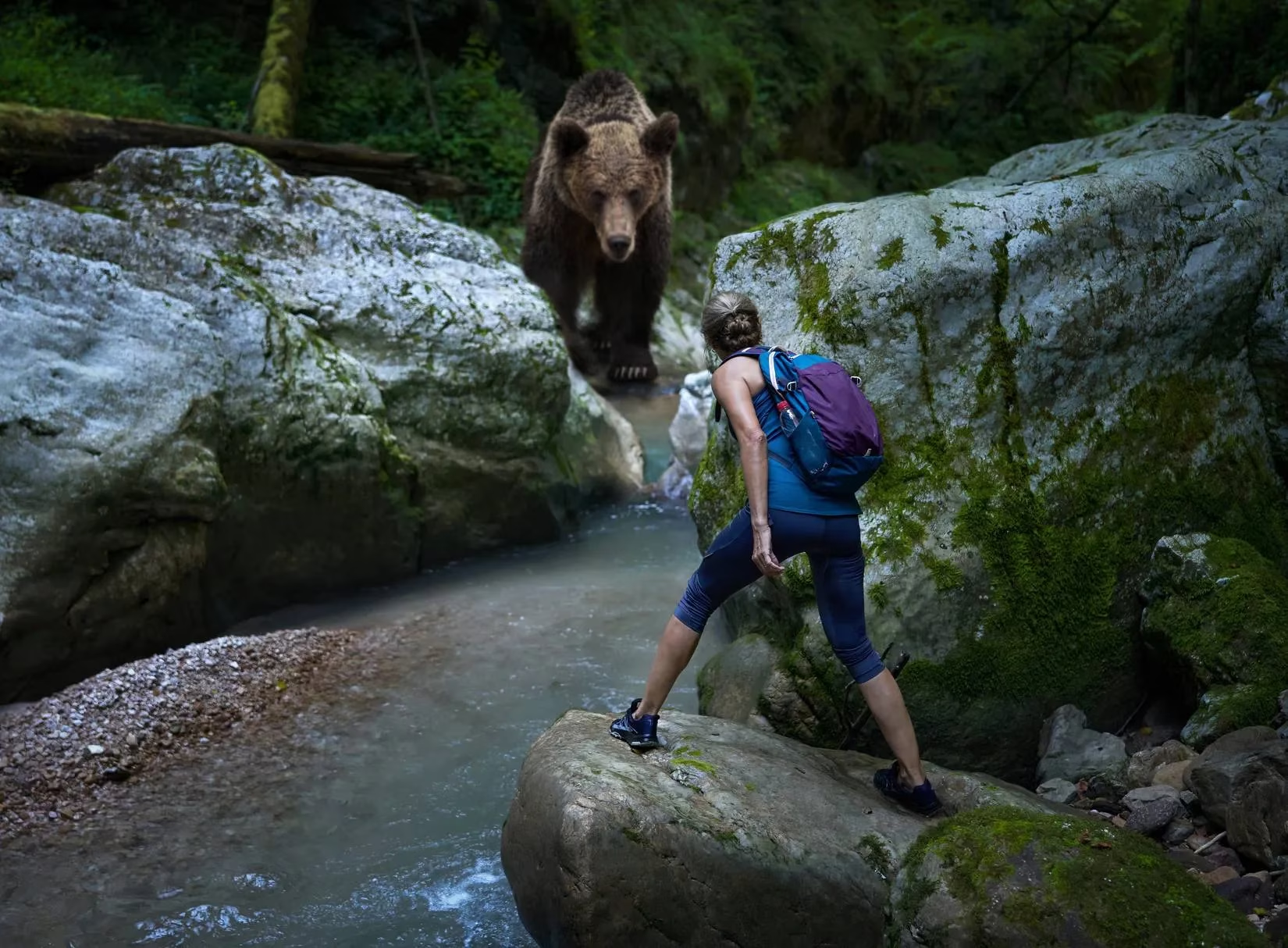
In summary, bear spray is a powerful tool when used correctly. By avoiding these common mistakes—practicing beforehand, keeping it accessible, checking expiration dates, understanding bear behavior, timing your spray correctly, retreating properly, using the right product, and always carrying it—you significantly increase your safety in bear country. The wilderness is meant to be enjoyed, and with proper preparation, you can explore confidently while respecting the magnificent creatures that call it home. 🏔️
Loading comments...