I used to believe that budget travel was all about luck—being in the right place at the right time to snag a cheap flight or find a hidden hostel. But after years of exploring everything from the Poconos to Portugal, I can tell you that luck has nothing to do with it. It's about strategy. And the best part? These tips are truly timeless. So let me walk you through the exact playbook I use to travel more while spending less.

1. Choose a destination that's cheap year-round
This is the biggest lever you can pull. Some places are just expensive—Paris, New York, Tokyo—and no amount of coupon-cutting will change that. Save those for later. Instead, look at countries like Portugal, Mexico, Ecuador, or Croatia. They offer incredible food, culture, and scenery without the sticker shock. If you're staying in the US, Glacier National Park and Yellowstone are fantastic budget-friendly options. I've had just as much fun hiking in Montana as I have wandering through Lisbon, and my wallet felt the difference.
2. Travel in the off-season
Once you've picked your spot, figure out when the crowds disappear. Florida's off-season is summer (yes, it's hot, but that's why it's cheap). The Greek islands are blissfully quiet in January. Off-season travel means thinner crowds, cheaper hotels and car rentals, and sometimes even free or reduced admission to attractions. Plus, you'll have a much better chance of actually interacting with locals—I've made lifelong friends just by showing up when nobody else did.

3. Pack light with a capsule wardrobe
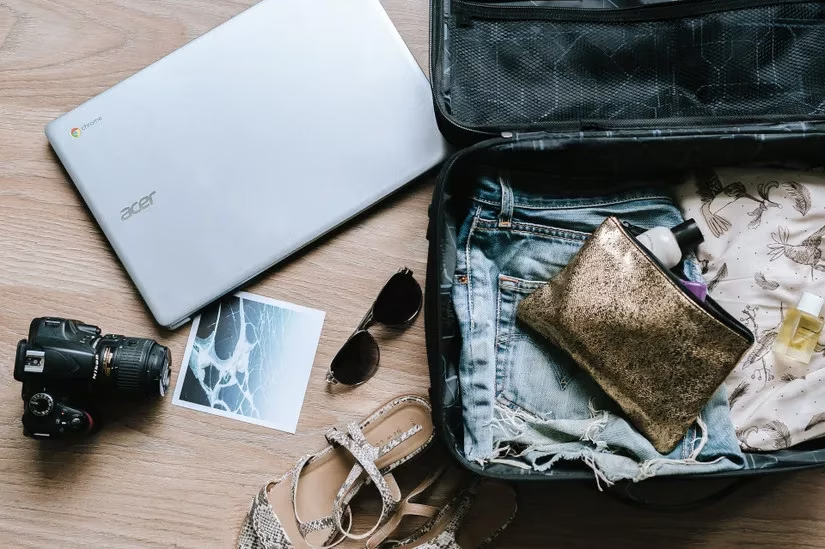
Checked bags are a money pit. I always carry on, and that means mastering the capsule wardrobe: a small collection of clothes and accessories that all mix and match. Stick to one color palette, try on combinations before you leave, and you'll be amazed at how many outfits you can create from a single carry-on. This one habit saves me hundreds of dollars per trip. Trust me, it's worth the upfront effort.
4. Get creative with accommodation
Hotels aren't your only option. Hostels, camping, and staying in cheaper neighborhoods can slash your costs. I was skeptical about camping at first, but some of my richest travel memories come from pitching a tent in a natural setting. And don't overlook booking timing—prices fluctuate, so keep an eye out and book when they dip.

5. Use public transportation
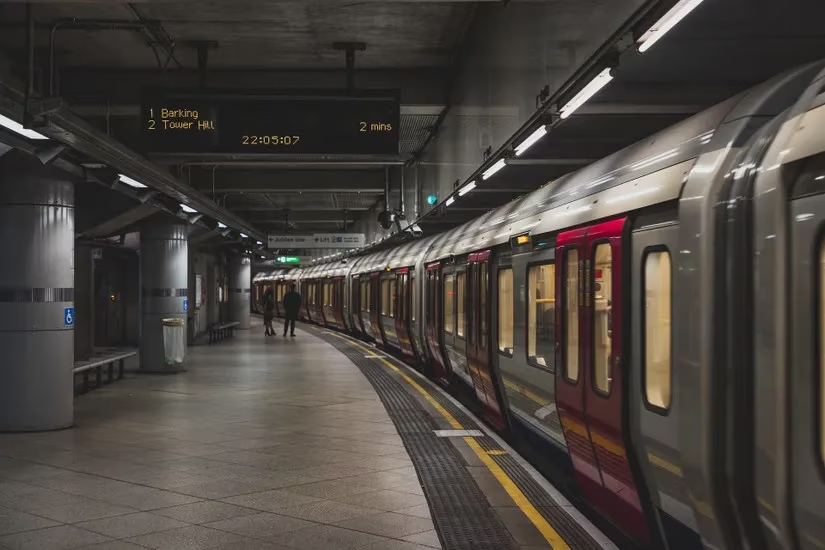
Nothing immerses you in local life like hopping on a metro or bus. Japan's system is world-class, many European countries have excellent rail networks, and Israel is easy to navigate by train. It's cheaper than renting a car, and it gives you a sense of independence. Plus, people-watching on public transit is endlessly entertaining.
6. Be picky about souvenirs
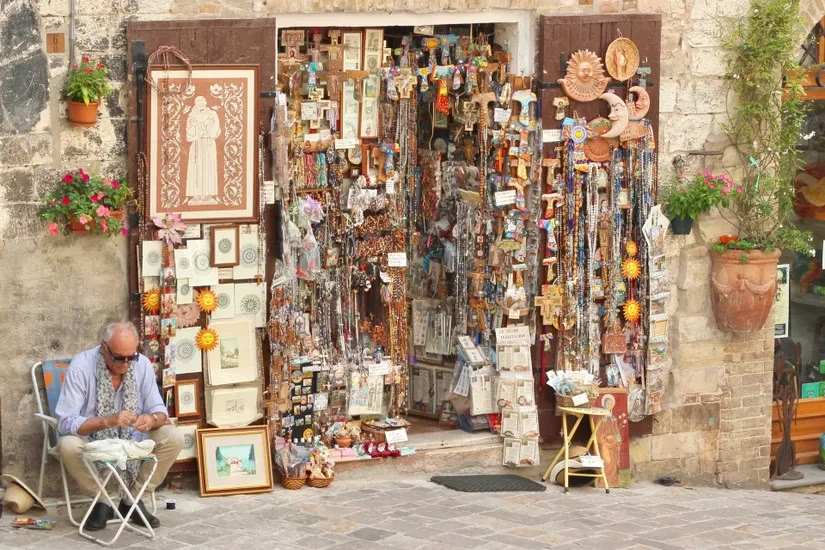
I used to buy a trinket everywhere I went, and my suitcase paid the price. Now I only buy things that truly matter. Instead of spending money on clutter, I take photos, journal, or sketch moments from the trip. Those memories weigh nothing and last forever. If you do shop, head to local markets for unique, affordable finds.
7. Eat like a local (and save big)
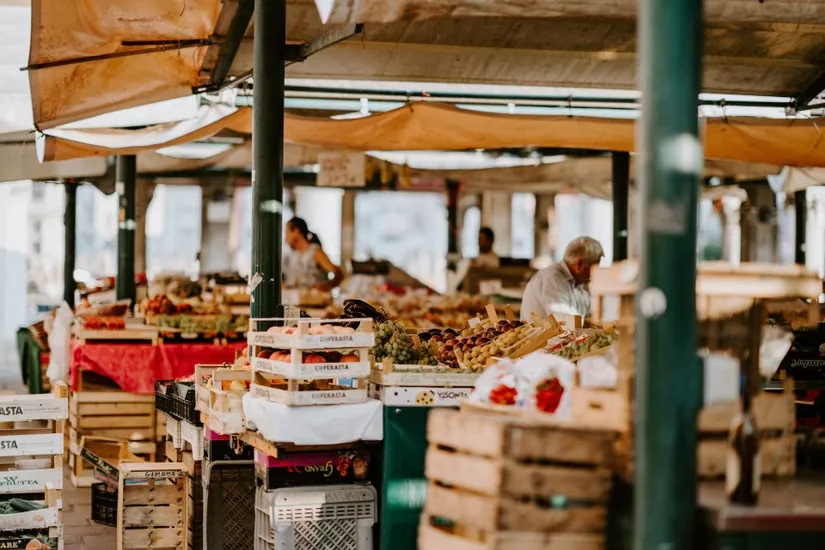
Restaurants can drain your budget fast. I always stop at a local grocery store or farmers' market and pick up fresh bread, cheese, and fruit for lunch. Many accommodations have kitchens, so cooking a simple meal with local ingredients is both fun and cheap. And never skip the complimentary breakfast—it's free fuel for the day.
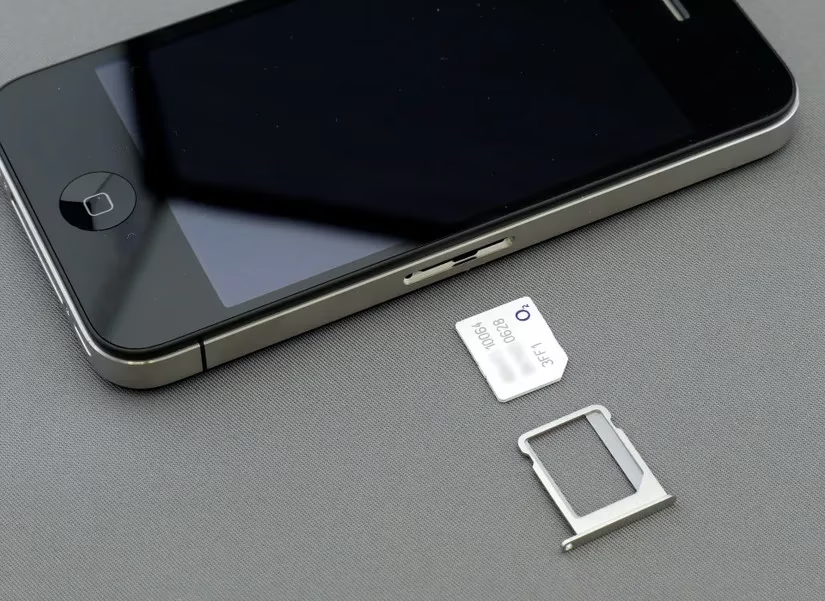
8. Buy a local SIM card
There's nothing worse than coming home to a massive roaming bill. I always buy a local SIM card at the airport or a convenience store. It's cheap, easy, and keeps me connected without the shock. Do this the moment you land—you'll thank yourself later.
9. Walk everywhere
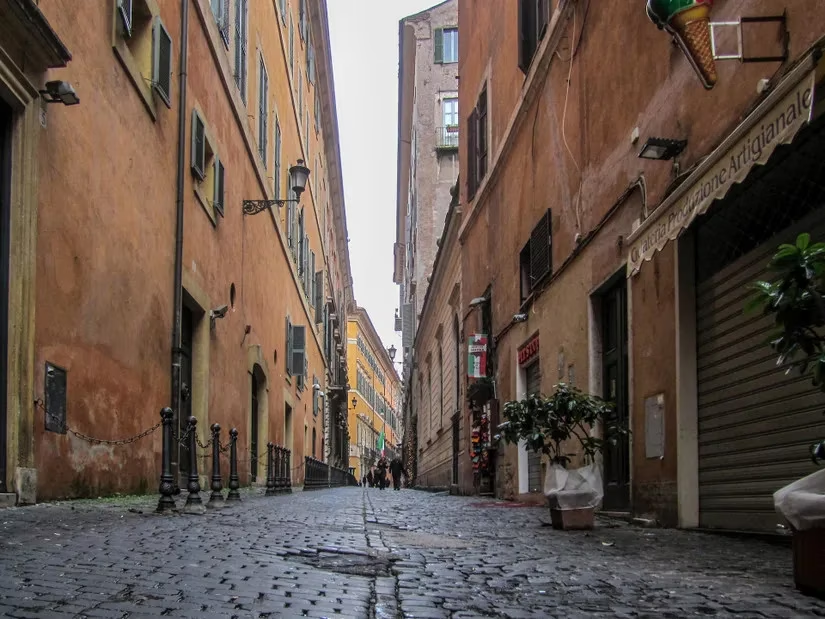
Some cities are made for walking—Rome, for example, is a open-air museum. Skip the taxi and stroll to your next museum or historical site. You'll discover hidden restaurants, quirky shops, and beautiful streets you'd never see from a train window. Plus, it's free exercise. I've walked miles in a single day and felt more connected to a place than any guided tour could offer.
10. Buy a local phone adapter
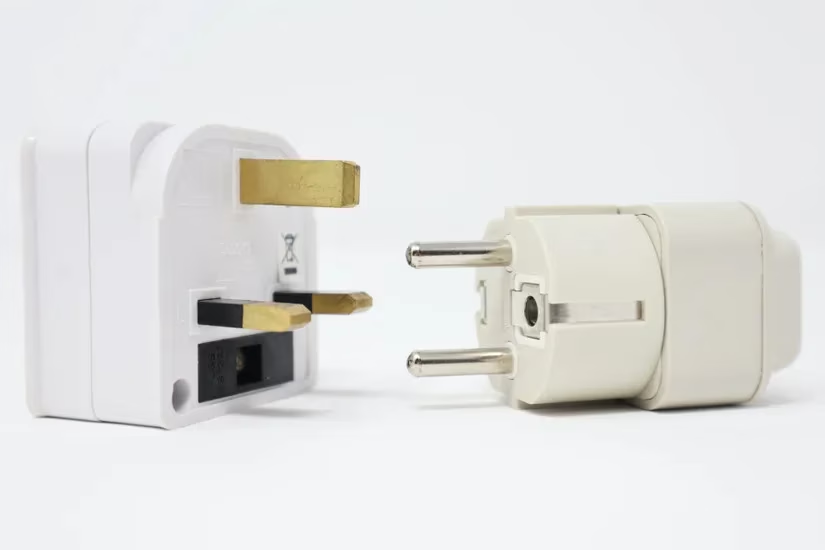
Here's a weird one: instead of buying an expensive universal adapter before you leave, wait until you arrive and grab one from a local convenience store. Since iPhone and Android cords are nearly universal, a cheap local adapter works just fine. I've saved a surprising amount this way.
My quick-reference budget destination table
| Destination | Why it's budget-friendly |
|---|---|
| Portugal | Affordable food, wine, and accommodation year-round |
| Mexico | Great value, especially outside tourist hubs |
| Ecuador | Low cost of living and cheap transportation |
| Croatia | Cheaper than Italy or Greece, especially in shoulder season |
| Glacier National Park, USA | Free or low-cost access to stunning nature |
When you combine all these tips, the difference between an affordable trip and a truly cheap one is astronomical. So stop waiting for luck—start planning smart. Your wallet (and your future self) will thank you. ✈️💡",
"note": "This article uses images from the reference article. All image URLs are provided in the content.
Loading comments...