Solo travel is a peculiar form of freedom—nobody to negotiate with over museum opening hours or whether lunch can legally be dessert. A lone traveler is like a hermit crab that outgrew its shell and decided to try on the entire globe. Every decision becomes a private referendum: nap in a park? Yes. Third coffee at midnight? Absolutely. The budget-conscious solo adventurer does not lose choices; rather, they become a kind of thrifty alchemist, turning modest coins into unexpected rooftops, river sunsets, and late-night conversations.
As 2026 pushes more people toward flexible work and remote gigs, the solo budget route is no longer a compromise—it is practically a personality trait. Shakespeare called the world an oyster, but he neglected to mention that the pearl often hides in places with absurdly cheap street food and hostel beds. With that in mind, here are ten destinations where a solo traveler can squeeze serious adventure from a modest wallet.
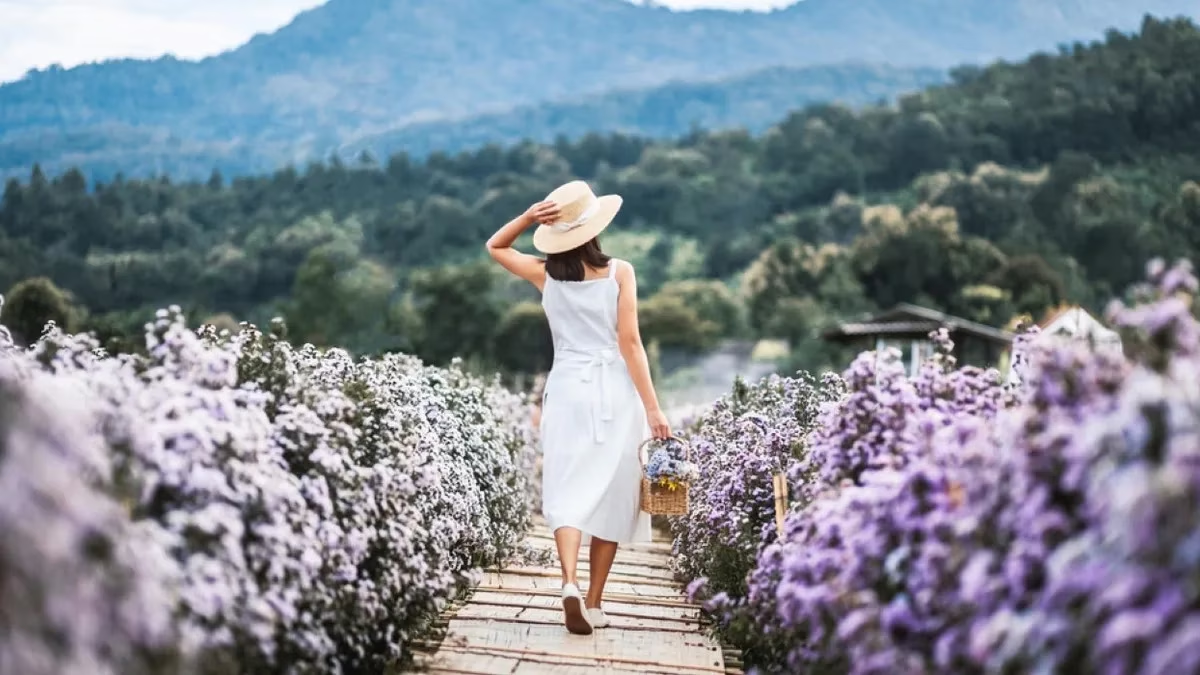
A Quick Look at the Wallet Damage
| Destination | Solo Vibe | Hostel/Budget Stay | Meals | Peak Season |
|---|---|---|---|---|
| Rishikesh, India | Yoga, rapids, river cafés | $11 | $4 | March–June |
| Buenos Aires, Argentina | Late-night cafés, grand boulevards | $10 | $8 | December–February |
| Chiang Mai, Thailand | Temples, northern Thai food | $12 | $10 | October–April |
| Seville, Spain | Flamenco, tapas, sunshine | $50 | $40 | April–June, September–October |
| Krakow, Poland | Old town, relaxed bars | $40 | $12 | June–October |
| Budapest, Hungary | Thermal spas, Danube walks | $45 | $22 | May–September, December |
| Mérida, Mexico | Colonial color, Maya ruins | $35 | $27 | December–April |
| Quebec City, Canada | French-Canadian charm | $80 | $37 | July–August |
| Phnom Penh, Cambodia | River promenades, mad nightlife | $15 | $13 | January–March |
| Istanbul, Turkey | Mosques, bazaars, Turkish coffee | $25 | $14 | April–June, September–October |
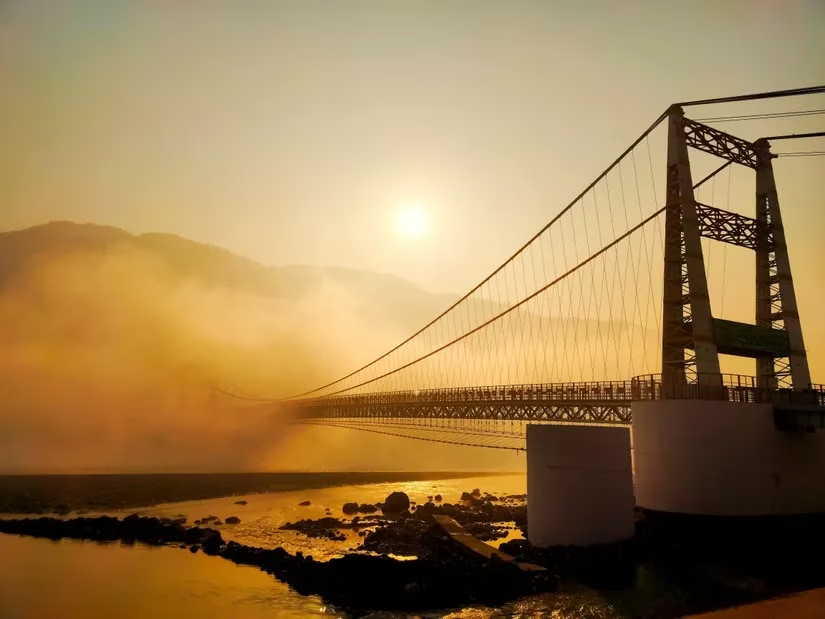
Rishikesh, India
Only about four hours from New Delhi, Rishikesh sits in the foothills of the great Himalayas and has long been known as the world’s yoga and meditation capital. The holy Ganges flows through town, which means a solo traveler can stretch on a mat in the morning and go white-water rafting by afternoon. Cafés in Tapovan serve delicious vegetarian snacks and coffee while live jam sessions spill toward the river. Some activities are free, others carry only nominal charges, and the U.S. dollar stretches farther than a yoga instructor’s patience.
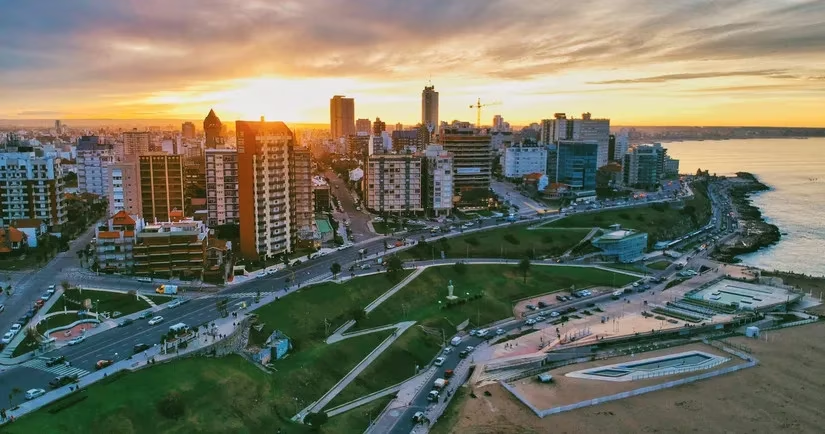
Buenos Aires, Argentina
Buenos Aires blends European and South American architecture with a café culture that practically requires lingering. A solo traveler can spend days roaming markets, nature reserves, palaces, and parks without draining the bank account, since living costs are generally far lower than in North America. The city sleeps in and stays out late: clubs often do not open until midnight and parties can roll past sunrise. For a solo explorer, that means there is always someone awake to swap stories with, which is convenient when dinner happens at eleven.
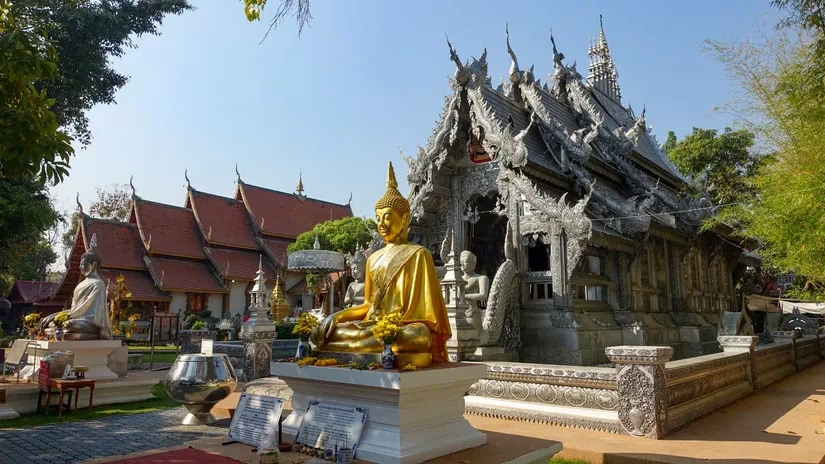
Chiang Mai, Thailand
At the foot of Doi Suthep Mountain, Chiang Mai offers much of Thailand’s culture and food without Bangkok’s shoulder-to-shoulder chaos. Solo travelers can visit an elephant sanctuary, hike to hill tribe villages, or simply drift between inexpensive hostels that double as social hubs. The northern Thai food is the real draw, especially at tiny street shops in the old town. Think of Chiang Mai as a warm bowl of khao soi for the soul—comforting, cheap, and impossible to consume just once.
Seville, Spain
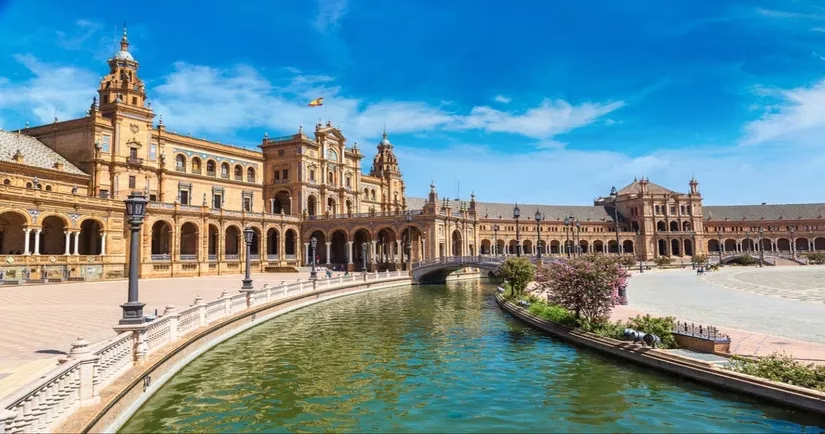
Seville serves sunshine like it is part of the menu, making it ideal for a solo wanderer who wants architecture, flamenco, and tapas without a huge group tour. The Plaza de España, the Roman remains of Italica, and the Pueblos Blancos offer plenty of free or low-cost exploring. Even late at night, the streets stay busy enough to feel welcoming rather than lonely. Tapas bar hopping becomes a sport, and a budget-friendly flamenco show is the perfect excuse to sit down after all that walking.
Krakow, Poland
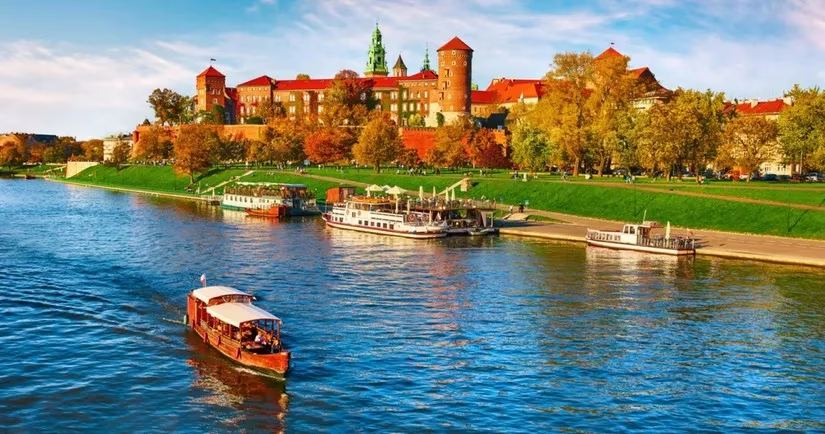
Krakow is that rare middle child of cities: big enough to stay interesting, small enough to feel manageable for anyone traveling alone. Days move gently, while bars and cafés come alive after dinner in a relaxed, safe way. Walking the main square and old town is the easiest introduction, and climbing St. Mary’s Basilica Tower rewards the effort with a superb view. History fans can explore the Galicia Jewish Museum, while December visitors get a bonus layer of Christmas festivities.
Budapest, Hungary
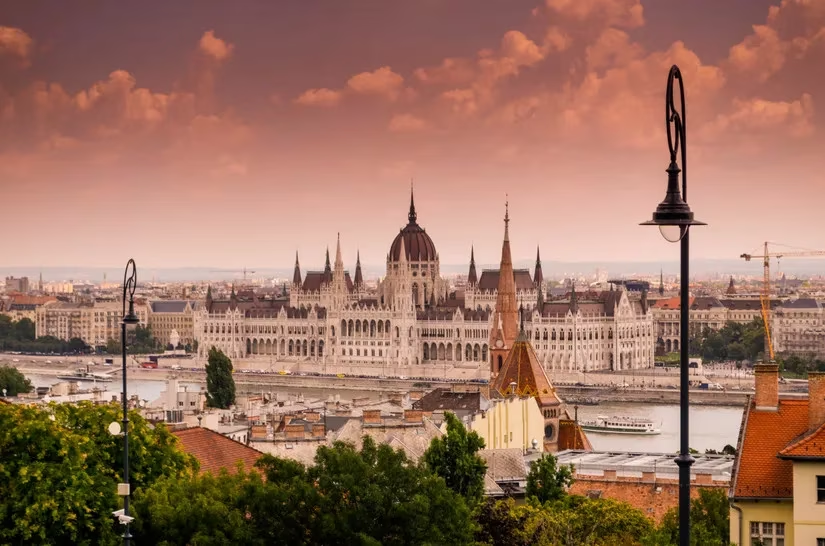
Budapest has become something of a digital nomad petri dish, with coffee shops full of people hunched over laptops like modern monks transcribing spreadsheets. Most Hungarians speak English, the city is walkable, and the public transport system is easy to use. The grand trick is to treat Budapest like a warm geothermal bath: pick a direction along the Danube, then let the thermal spas soak away any soreness. Hungarian cuisine and a lively bar scene make it easy for a solo traveler to blend in.
Mérida, Mexico
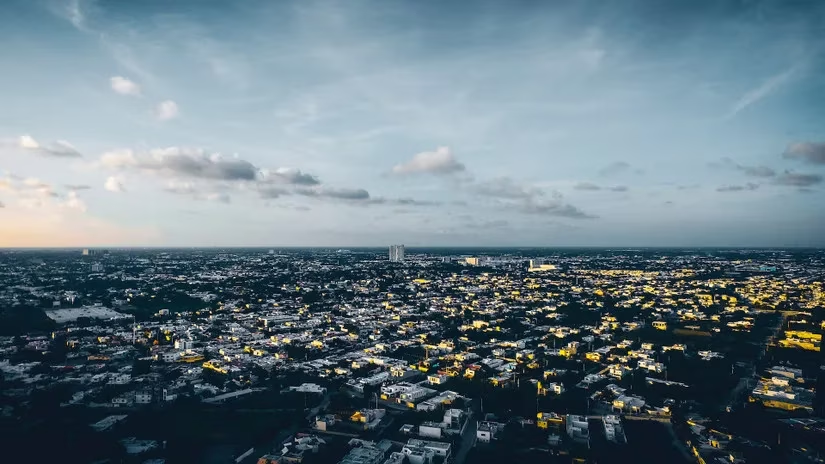
Mérida pairs rich Mayan heritage with tropical color, and it has earned a reputation as one of the safer spots in the Americas. The downtown center is stuffed with colonial architecture, street food stalls, and parks covered in bougainvillea. Within two hours, a traveler can reach the pink lakes of Las Coloradas or the ancient Maya ruins of Chichen Itza and Uxmal. When the sun drops, outdoor festivals around Plaza Grande give solo visitors another chance to meet locals and fellow wanderers.
Quebec City, Canada
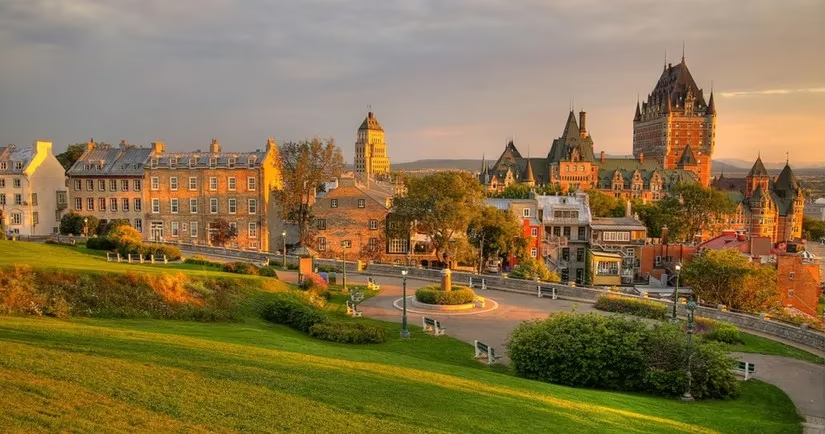
Quebec City feels like being teleported to France, complete with stone homes, red shutters, cobblestone streets, and gold-adorned churches. It is the only city north of Mexico still surrounded by old fortification walls, and the Citadelle of Quebec is the largest British fort in North America. The Saint Lawrence River and Montmorency Falls offer free places to walk and unwind. Though pricier than Southeast Asia, Quebec still manages to feel affordable for a solo traveler who likes old-world atmosphere with reliable Wi-Fi.
Phnom Penh, Cambodia
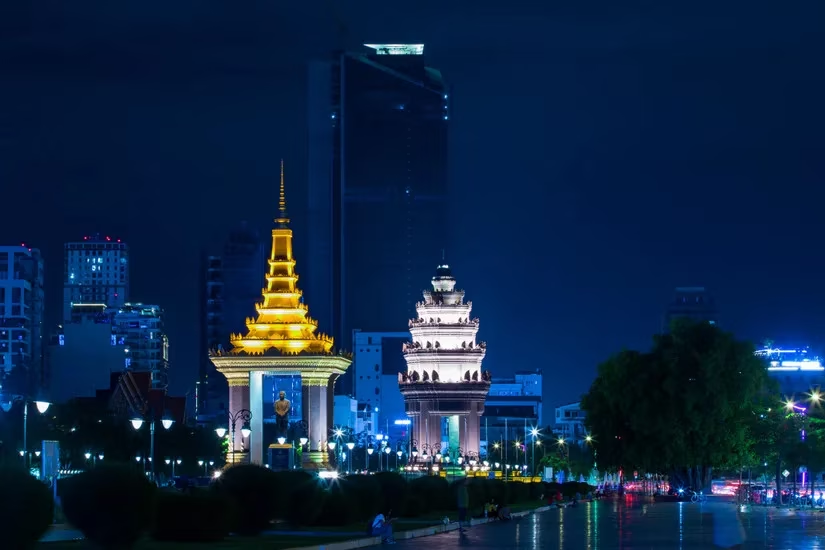
Cambodia’s capital is a French-built city with Khmer soul, and it attracts plenty of budget-conscious solo travelers. Tuk tuks zip through the streets like three-wheeled chariots, while motorcycle taxis are cheaper but slightly less attached to the concept of safety. The Royal Palace and Silver Pagoda are popular stops, and Angkor Wat sits about five hours away for a very ambitious day trip. Nightlife is famously unregulated, but those seeking quiet reflection can walk the three-kilometer Sisowath Quay promenade along the Tonlé Sap River.
Istanbul, Turkey
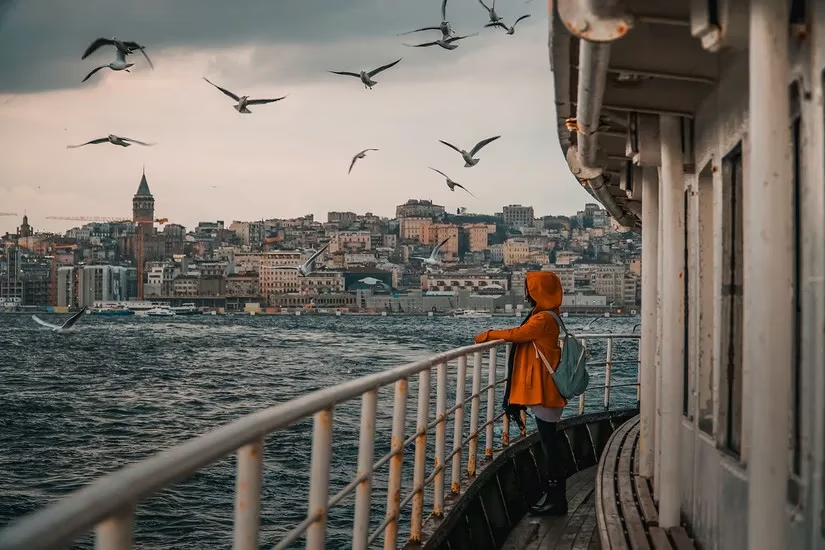
Istanbul is a city of glorious contradictions. A traveler can spend the morning inside a 15th-century mosque and the afternoon sipping cocktails on a rooftop bar. Once known as Constantinople, the city hands solo visitors ancient landmarks, Turkish coffee shops, vibrant bazaars, and nearby landscapes that demand an Instagram post or twelve. Monuments like the Blue Mosque and Topkapi Palace could fill several trips. Locals are friendly, prices are reasonable, and a respectful traveler quickly learns that Istanbul rewards curiosity.
Final Toast to the Solo Budget Traveler
Ultimately, the solo traveler on a budget is like a human pinball launched across a map, bouncing from guesthouse courtyards to rooftop bars and back again. Cheap does not mean boring; it often means closer to the street food, the public squares, and the conversations that make a place memorable. Prices may shift in 2026, but these ten destinations still prove that a thin wallet and a full itinerary can happily coexist.
Community feedback is collected from Reddit - r/gaming, where solo-minded players often talk about chasing that same “no negotiations” freedom your travel piece celebrates—except in games, it’s choosing your own pace, route, and risks without party coordination. Threads about open-world exploration and survival sandboxes frequently echo the budget-solo logic of stretching limited resources into memorable moments: finding cheap “safe hubs” (rest points), prioritizing high-value activities (quests/areas), and optimizing travel time (fast routes) so the adventure feels rich even when the wallet—or inventory—isn’t.
Loading comments...